
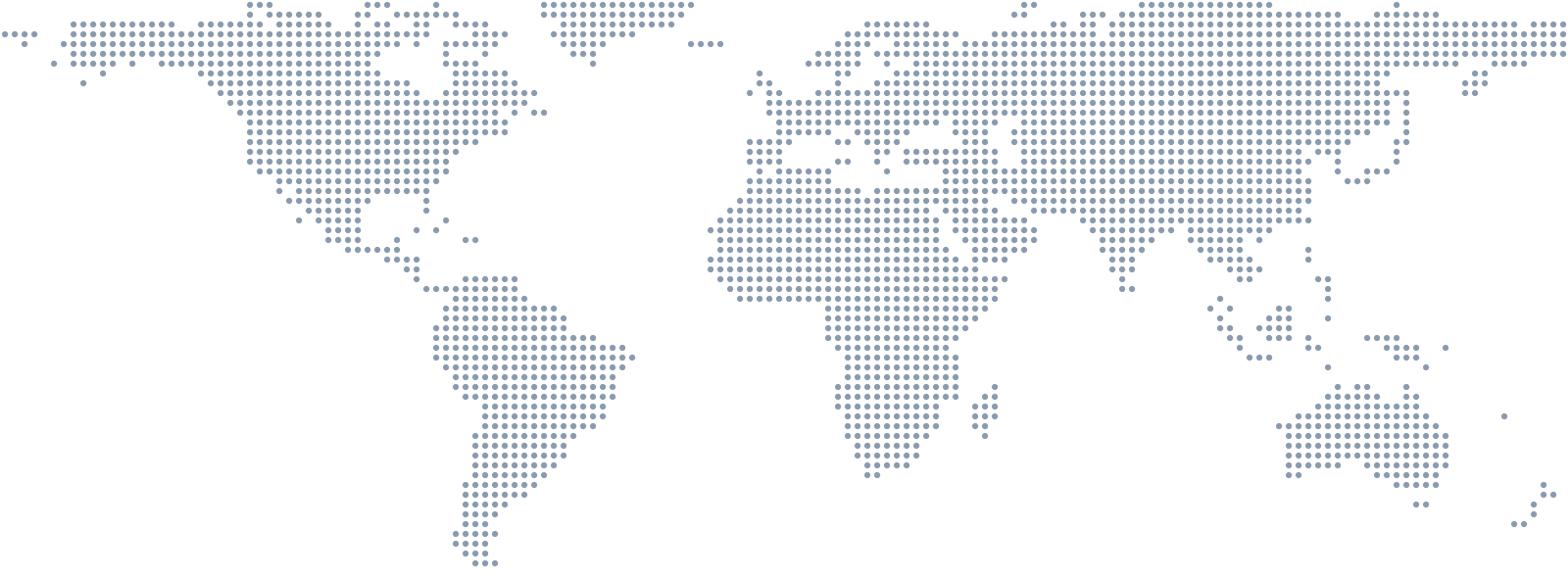
Reach more markets.
Hubs are where deep-sea shipping, regional distribution and pipelines meet.
Kuala Lumpur · Singapore · Rotterdam · Houston · Fujairah
Global Network
Most of the world’s traded oil passes through a handful of straits, ports and trading centres. Our oil storage terminal network sits at four of them: Singapore, Rotterdam, Houston and Fujairah. Each serves its own region. Together, they connect Asia Pacific, Europe, North America and the Middle East.
Why Location Matters
A tonne of diesel is worth more in the right place at the right time. Storage at a strategic hub lets its owner:
Hubs are where deep-sea shipping, regional distribution and pipelines meet.
Product can be held when markets are oversupplied and released when demand returns.
Hubs have the infrastructure, the blending components and the testing capacity to meet regional specifications.
When a refinery shuts or a shipping route is disrupted, stored product close to demand keeps supply chains running.
We chose our four hubs for these reasons. Each sits on a corridor that carries a significant share of global energy trade, and each has the depth of market, infrastructure and regulation that storage customers need.
Network at a Glance
3,180,000 m³
Total storage capacity
60
Storage tanks
18.0 million tonnes
Throughput in 2025
20
Berths (8 deep-sea, 12 barge and coastal)
48 km
Transfer pipelines
18
Truck loading bays
114 ha
Terminal land
3,260
Vessel calls in 2025 (approx.)
Terminal Comparison
Specifications, products and connectivity at each hub. Scroll the tables sideways on small screens.
| Specification | Singapore | Rotterdam | Houston | Fujairah |
|---|---|---|---|---|
| Terminal | AOS Jurong Energy Terminal | AOS Rotterdam Botlek Terminal | AOS Houston Ship Channel Terminal | AOS Fujairah Marine Terminal |
| Hub role | Asia Pacific gateway | European gateway | North American gateway | Middle East hub |
| Capacity | 820,000 m³ | 760,000 m³ | 640,000 m³ (~4.0M bbl) | 960,000 m³ |
| Tanks | 16 | 18 | 14 | 12 |
| Tank sizes | 30,000–80,000 m³ | 25,000–70,000 m³ | 20,000–80,000 m³ | 40,000–120,000 m³ |
| Throughput (2025) | 4.2 Mt | 4.8 Mt | 3.6 Mt | 5.4 Mt |
| Largest vessel | 120,000 DWT | 90,000 DWT | 110,000 DWT (draft-restricted) | 320,000 DWT (VLCC) |
| Berths | 2 deep-sea, 2 barge | 2 deep-sea, 6 barge | 2 ship, 3 barge | 2 deep-sea, 1 barge |
| Pipeline | 9 km; industrial interconnections | 14 km; port pipeline corridor | 18 km; crude and product pipeline systems | 7 km; port jetty network |
| Truck / rail | 4 truck bays | 4 truck bays | 6 truck bays; 30-car rail spur | 4 truck bays |
| Heated storage | Yes | Biofuel tanks (trace-heated) | No | Yes |
| Blending | VLSFO, gasoline | Biofuel inline, gasoline | Gasoline, crude | VLSFO, fuel oil |
| Site area | 28 ha | 24 ha | 32 ha | 30 ha |
| Product | Singapore | Rotterdam | Houston | Fujairah |
|---|---|---|---|---|
| Crude oil and condensate | Not available | Not available | ✓Available | ✓Available |
| Gasoline and blending components | ✓Available | ✓Available | ✓Available | Not available |
| Diesel / gasoil | ✓Available | ✓Available | ✓Available | ✓Available |
| Jet fuel / kerosene | ✓Available | ✓Available | ✓Available | Not available |
| Fuel oil (HSFO) | ✓Available | Not available | Not available | ✓Available |
| Marine fuels (VLSFO / MGO) | ✓Available | MGO | Not available | ✓Available |
| Naphtha / petrochemical feedstocks | ✓Available | Not available | ✓Available | Not available |
| Biofuels (FAME, HVO) | Not available | ✓Available | Not available | Not available |
Product acceptance depends on terminal specifications, regulatory requirements, compatibility, safety assessment and contract conditions. See the FAQ for common questions.
Hub Introductions
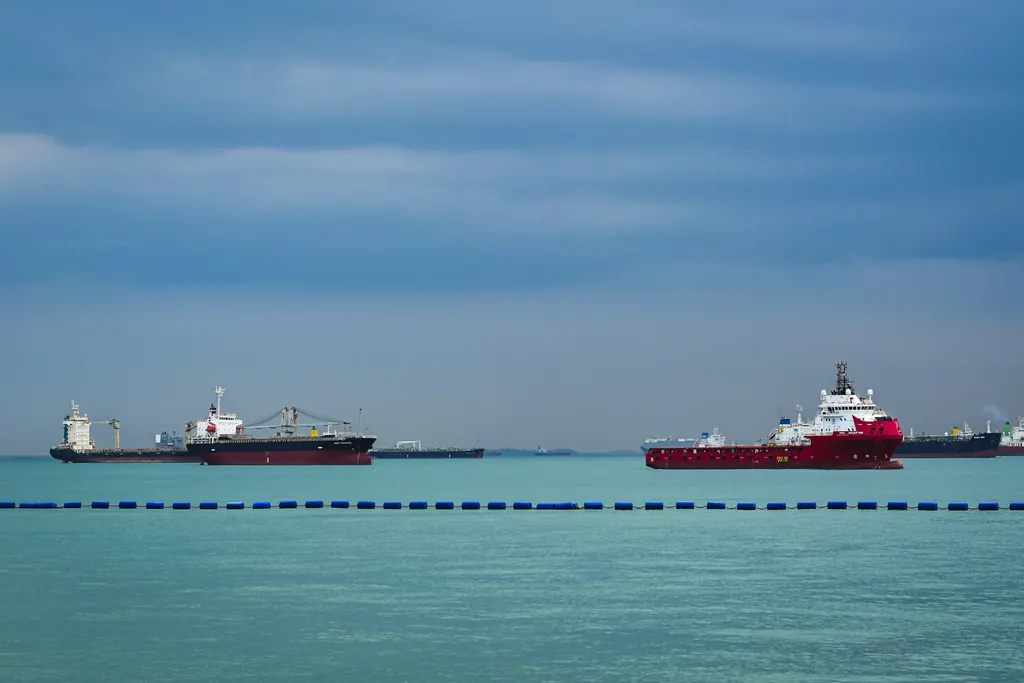
Asia Pacific Gateway
AOS Jurong Energy Terminal · 820,000 m³ · 16 tanks
Singapore sits where the Strait of Malacca meets the South China Sea, on the route between the Middle East, India and East Asia. It is Asia’s main oil trading centre and one of the world’s largest bunkering ports. Our Jurong terminal serves regional distribution, cargo building for Asian markets and the marine fuels trade, with heated fuel oil storage and four berths from bunker barge to LR2 size.
Explore Singapore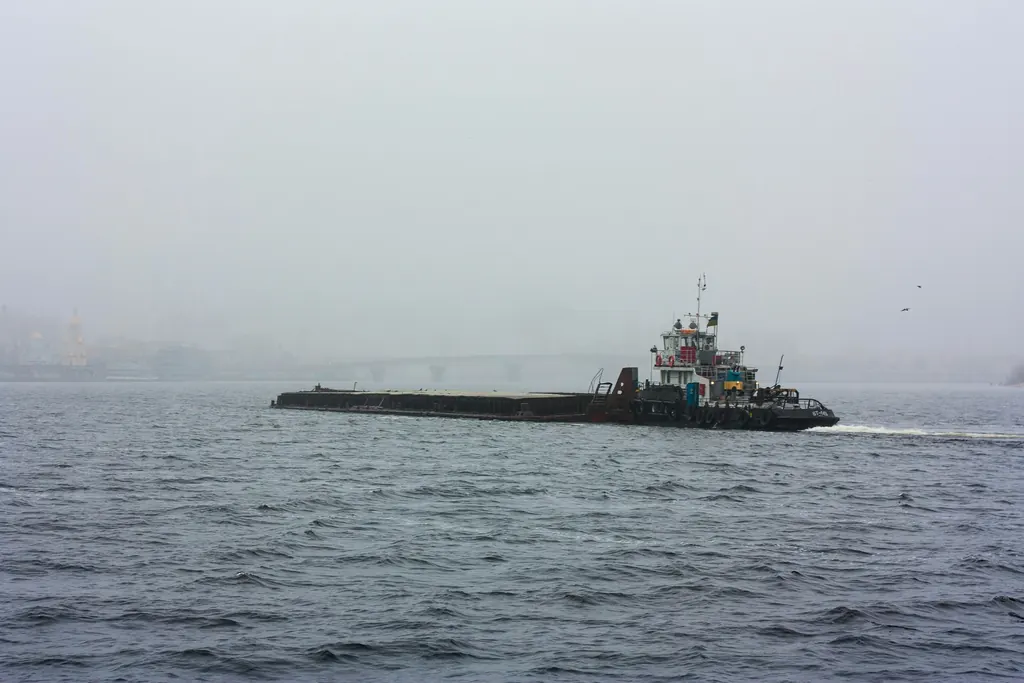
European Gateway
AOS Rotterdam Botlek Terminal · 760,000 m³ · 18 tanks
Rotterdam is Europe’s largest port and the heart of the Amsterdam–Rotterdam–Antwerp (ARA) trading region. Our Botlek terminal focuses on clean products and renewable fuel components. Six barge berths serve inland distribution along the Rhine and Maas, and a pipeline connects the terminal to the port’s industrial corridor.
Explore Rotterdam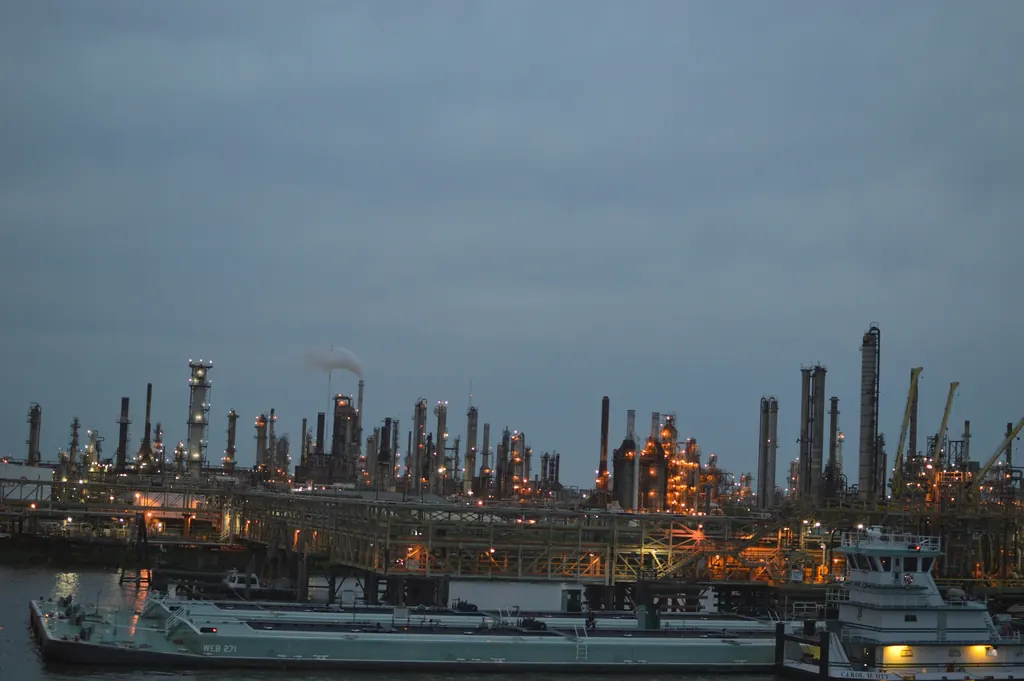
North American Gateway
AOS Houston Ship Channel Terminal · 640,000 m³ · 14 tanks
The Houston Ship Channel runs through one of the world’s largest concentrations of refining and petrochemical capacity. Our terminal handles crude oil, petrochemical feedstocks and refined products. It is connected by ship, barge, pipeline, truck and rail, and serves both US domestic distribution and export markets.
Explore Houston
Middle East Hub
AOS Fujairah Marine Terminal · 960,000 m³ · 12 tanks
Fujairah lies on the Gulf of Oman, outside the Strait of Hormuz, on the route between the Arabian Gulf and markets to the east and west. It is a major storage and bunkering centre. Our terminal has the network’s largest tanks, up to 120,000 m³, and a VLCC-capable berth, and specialises in crude oil, fuel oil and marine fuel blending.
Explore FujairahHow the Network Connects
Customers can hold storage at more than one hub under a single framework agreement, through multi-hub storage agreements. Our commercial team in Singapore coordinates scheduling and contracting across the network.
Fujairah ↔ Singapore
Fuel oil, VLSFO blend components, gasoil and crude moving from Middle East supply to Asian demand
Houston ↔ Rotterdam
US Gulf diesel, gasoline blendstocks and components to European distribution
Fujairah ↔ Rotterdam
Middle distillates and fuel oil to Europe, depending on market conditions and routing
Houston ↔ Singapore
US crude, naphtha and products to Asian refiners and petrochemical plants
Expansion Pipeline
Each hub has potential for further expansion. If all current expansion projects proceed, network capacity would reach about 3.8 million m³.
Customers interested in dedicated capacity in a future expansion are welcome to contact us at an early stage. Early commitments can shape tank design and configuration.
Insights
Next steps
Tell us what you store, how much, and where it needs to go. We will show you how our network can support it.