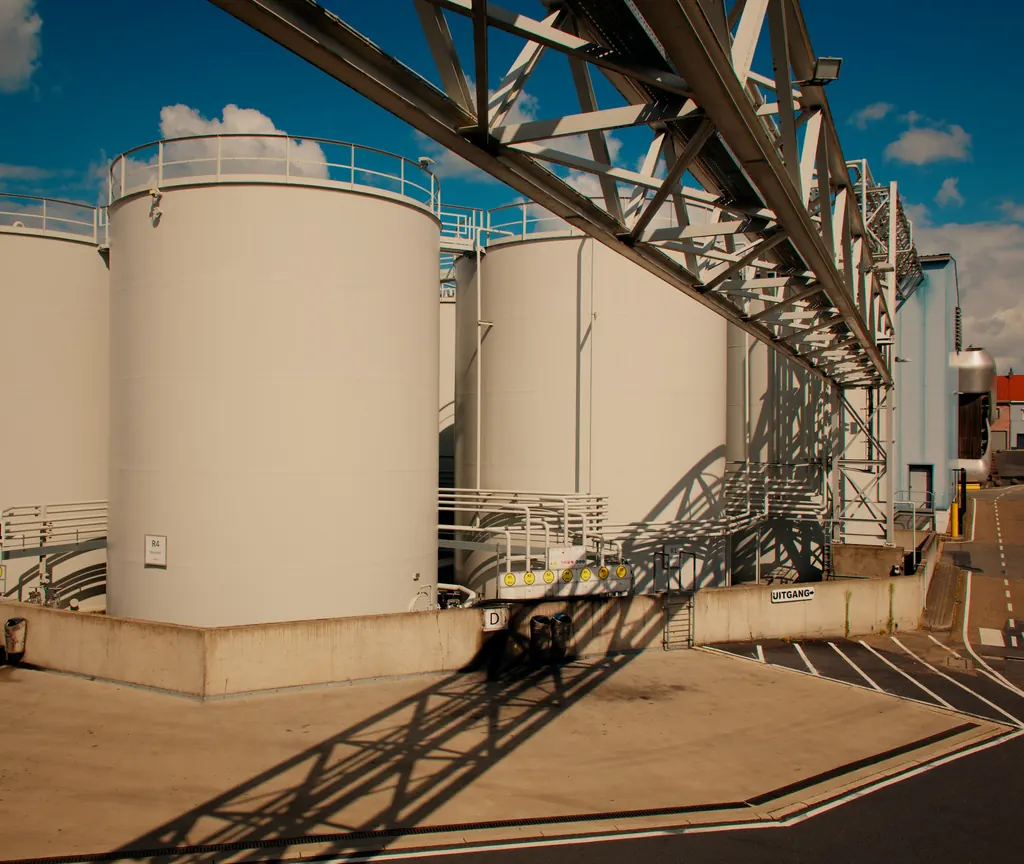
Operator walkway and pipe rack alongside white storage tanks

Our Services

Oil Terminal Services Across the Full Infrastructure Lifecycle

Some customers need 50,000 m³ of diesel tankage in Rotterdam next quarter. Others need a partner to plan a new terminal that will run for forty years. Our services cover both, and everything in between.

Service 01

Bulk Liquid Storage

Our four terminals offer 3.18 million m³ of storage in 60 tanks ranging from 20,000 m³ to 120,000 m³. Customers use our tankage to hold inventory, build cargoes, blend to specification, break bulk for regional distribution and manage the timing between purchase and delivery.

We store product owned by our customers. We do not trade, so we have no commercial interest in your product beyond keeping it safe, accurately measured and on specification. Storage is available at our four terminals for the industries we serve.
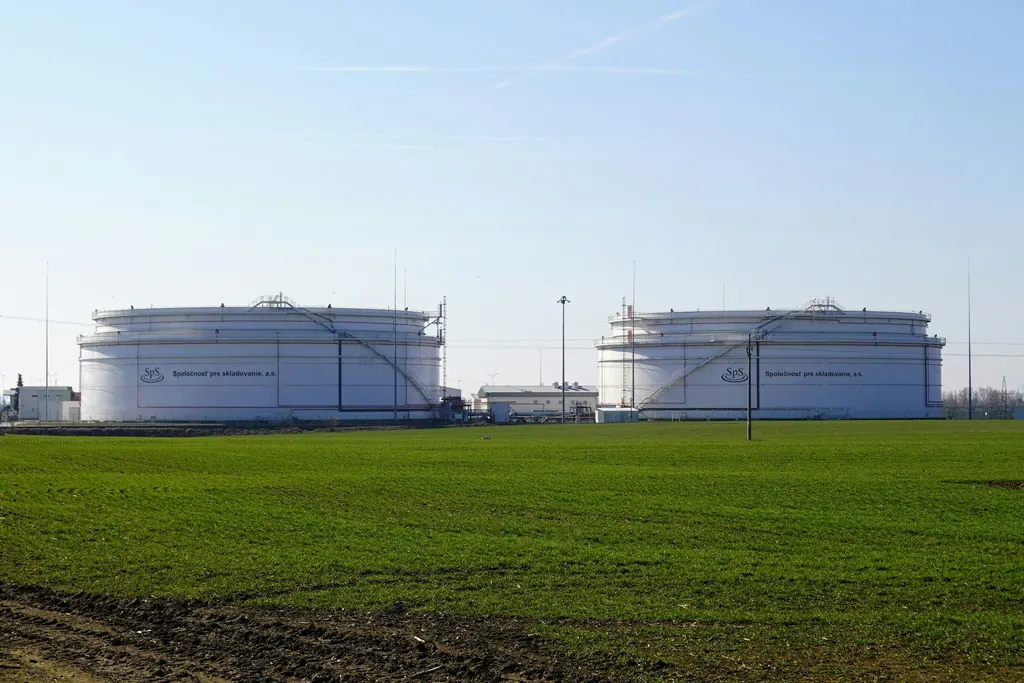
Two large white storage tanks on open ground under a clear sky

Capabilities

  • Dedicated and shared tankage on term contracts, usually 1 to 5 years, with spot storage when capacity is available
  • Heated and insulated storage for fuel oils (Singapore and Fujairah)
  • Floating-roof tanks for volatile products such as gasoline, naphtha and crude oil
  • In-tank and inline blending, including VLSFO blending and biofuel blending into diesel
  • Additive injection at the truck rack and on marine loading lines
  • Tank-to-tank transfers, circulation and homogenisation
  • Inventory reporting through a customer portal, updated after each movement, with monthly stock statements
  • Independent inspection access for cargo surveyors and customers’ nominated inspectors

Product Categories

Product categories by terminal
CategoryAvailable at
Crude oil and condensateHouston, Fujairah
Gasoline and blending componentsSingapore, Rotterdam, Houston
Diesel and gasoilAll terminals
Jet fuel and keroseneSingapore, Rotterdam, Houston
Fuel oil (HSFO)Singapore, Fujairah
Marine fuels (VLSFO, MGO)Singapore, Fujairah; MGO in Rotterdam
Naphtha and petrochemical feedstocksSingapore, Houston
Biofuels and renewable diesel components (FAME, HVO)Rotterdam

Product acceptance depends on terminal specifications, tank and line availability, regulatory requirements, product compatibility, safety assessment and contract conditions. We will confirm acceptance for your product after reviewing its specification and safety data sheet.

Technical Considerations

  • Segregation: Dedicated lines and manifolds for incompatible product groups, with clear rules for line clearing and tank changes of service
  • Quality control: Sampling to recognised industry practice; access to independent laboratories; tank cleaning and inspection certificates before a change of service
  • Measurement: Automated tank gauging on every tank, calibrated to recognised standards, reconciled against custody-transfer meters and vessel figures
  • Loss control: Floating roofs and vapour recovery where appropriate; losses tracked and reported by product

Customer Benefits

  • Access to four strategic hubs under consistent contract terms
  • Product quality protected by strict segregation and quality control
  • Accurate, timely inventory data
  • Flexibility to blend, build cargoes and respond to market conditions
Service 02

Terminal Development

We develop new storage and marine infrastructure for our own network and with partners. We have been involved from greenfield concept to brownfield expansion: our 290,000 m³ Singapore expansion added capacity in 19 months from investment decision to commissioning, and we are leading the planning of the 840,000 m³ Borneo Oil Storage Terminal masterplan.

Development is where most of the value and most of the risk in a terminal is decided. The decisions made in the first 12 months, on site, capacity, marine configuration and phasing, fix most of the lifetime cost.

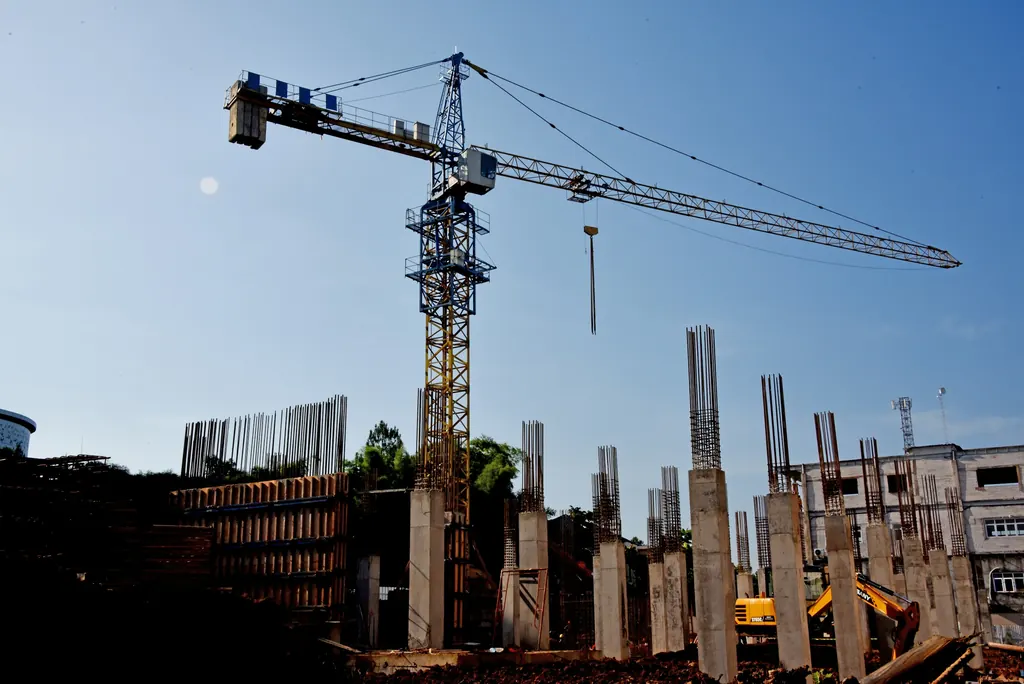
Tower crane above a construction site with reinforced concrete columns

Capabilities

  • Site identification, screening and acquisition support
  • Market and demand assessment
  • Permitting and regulatory approvals strategy, including EIA coordination
  • Development of the business case and investment memorandum
  • Procurement strategy and contractor selection
  • Owner’s engineering and project management through construction
  • Commissioning, start-up and operational readiness
  • Operation of the finished terminal, if required

Technical Considerations

  • Ground conditions: Coastal sites often have soft soils. Tank foundations may need piling, ground improvement or preloading, which affects both cost and schedule.
  • Marine access: Channel depth, tidal range, currents and dredging requirements decide which vessels a terminal can serve.
  • Separation distances: Fire and blast separation between tanks, bunds, buildings and site boundaries must be designed in from the start.
  • Utilities: Power supply, firewater, nitrogen and, for heated products, steam or thermal oil systems
  • Phasing: A terminal designed to grow in stages avoids stranded capital while keeping later expansion affordable.

Customer Benefits

  • A developer that also operates terminals, so designs are practical to run
  • Realistic cost and schedule estimates based on recent delivery experience
  • Flexible involvement: advisor, co-developer or developer-operator

Service 03

Terminal Planning

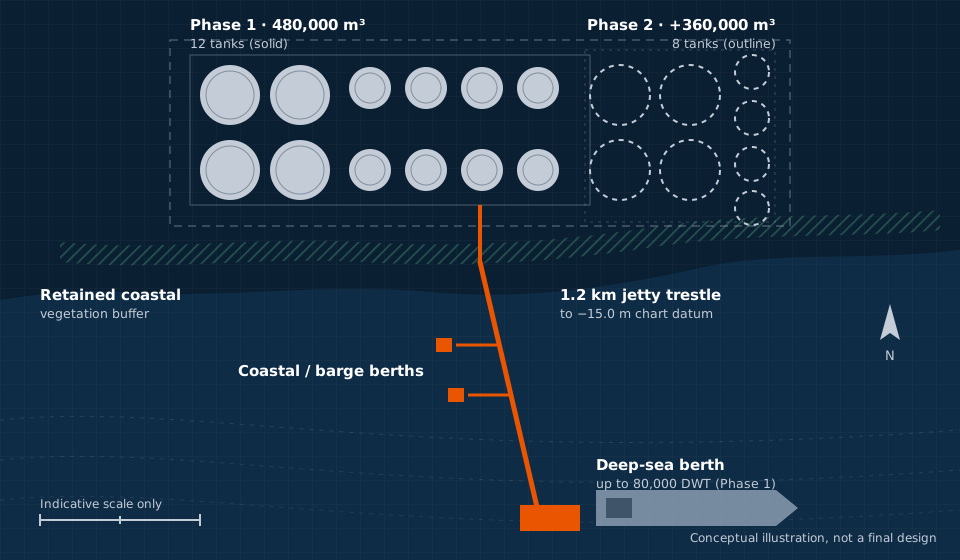
A terminal masterplan fixes where each tank, pipe rack, pump, berth, road and building will sit for the life of the facility. Getting it right means safer operations, lower cost and room to grow. Getting it wrong can mean decades of workarounds.

Our planning team has produced masterplans for greenfield terminals, brownfield expansions and depot rationalisation projects in nine countries, including the design of the marine interface for each site.

Example of a phased terminal masterplan with tank groups, jetty trestle and berths
Example masterplan (Borneo Oil Storage Terminal).

Capabilities

Site planning

Plot layout, zoning of hazardous and non-hazardous areas, traffic flows, drainage and surface-water management, security perimeter.

Tank configuration

Number, size and type of tanks matched to product slate, parcel sizes and turnover. Roof type selection. Bund design and sizing.

Marine interface

Berth location and orientation, jetty trestle routing, vessel manoeuvring and mooring analysis, barge and deep-sea berth mix.

Pipeline infrastructure

Pipe rack routing, manifold location, line sizing, product segregation philosophy, future-line allowances.

Utilities

Power supply and distribution, firewater storage and pumping, nitrogen, compressed air, steam or thermal oil for heated products, wastewater treatment.

Access

Truck routing and gate design, truck rack location, rail sidings, emergency vehicle access from at least two directions.

Safety systems

Fire and gas detection layout, firefighting systems (foam, water deluge, monitors), emergency shutdown philosophy, escape routes and muster points.

Expansion planning

Reserved plots, oversized headers, spare pipe-rack tiers and berth designs that can take larger vessels later.

Technical Considerations

  • Layouts are developed alongside consequence modelling, so that fire and explosion scenarios inform separation distances
  • Tank sizes are based on parcel analysis. The right tank is usually sized to typical cargo sizes plus operational margin, not simply the largest tank the plot will hold.
  • Planning considers how the terminal will be built as well as how it will run: laydown areas, crane access and the logistics of building next to live operations

Customer Benefits

  • A layout that is safer, cheaper to build and easier to operate
  • Clear phasing that matches investment to demand
  • A masterplan that can support permitting, financing and contractor tendering

Service 04

Heavy Industrial Engineering

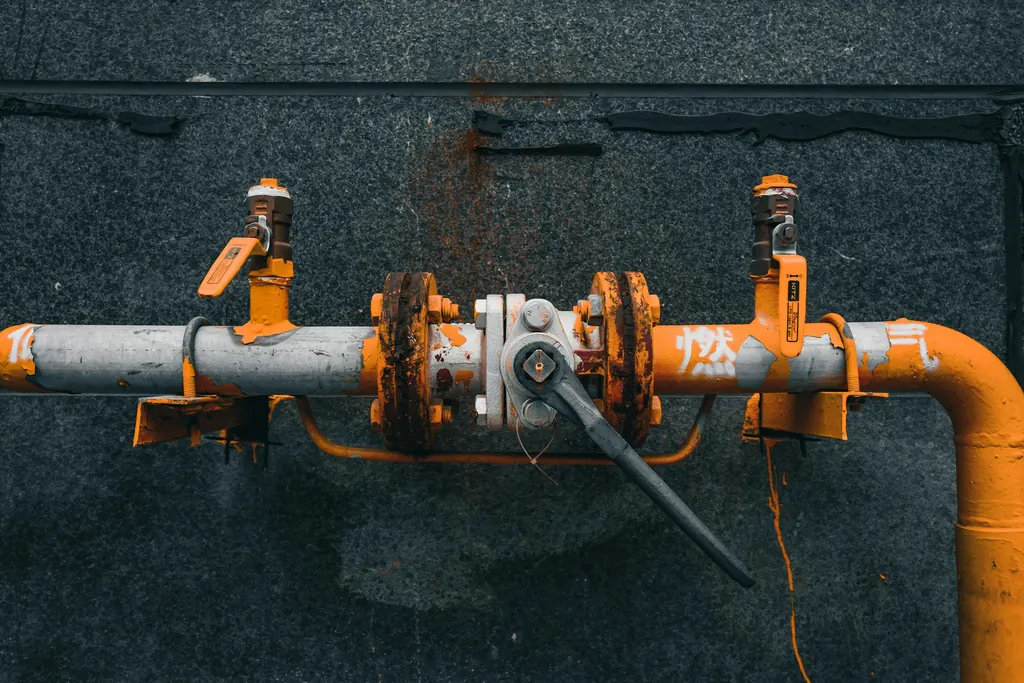
Storage terminals are heavy industrial facilities. An 80,000 m³ tank full of product puts about 70,000 tonnes of load on its foundation. A berth must absorb the energy of a loaded tanker coming alongside. Our engineers design for those loads, and for the fifty-year service life that follows, in line with our process safety approach and the tank gauging and control systems we run.

Orange-painted pipework and valve assembly on a dark wall

Capabilities

  • Tank engineering: Design to API 650, and inspection, repair, alteration and reconstruction to API 653. Floating-roof and seal selection, tank-bottom design with leak detection, cathodic protection.
  • Civil and geotechnical: Tank foundations, including ring-wall, piled-raft and ground-improvement designs. Bund walls, roads and drainage.
  • Structural: Pipe racks, loading platforms, jetty structures, gantries and buildings
  • Mechanical: Pumps, heat exchangers, heating systems, vapour recovery units, mixers
  • Electrical, instrumentation and control: Power distribution, hazardous-area classification, tank gauging, SCADA, and safety instrumented systems to IEC 61511
  • Fire protection: Foam systems to NFPA 11, water deluge and cooling, firewater networks
  • Asset integrity assessment: Fitness-for-service evaluation, remaining-life assessment, risk-based inspection planning

Technical Considerations

  • Settlement: Large tanks on coastal soils can settle unevenly. Foundations and connecting pipework must accommodate predicted settlement.
  • Corrosion: Tank bottoms and marine structures face aggressive corrosion. Coating systems, cathodic protection and inspection intervals are designed together.
  • Climate: Our assets range from Fujairah’s 45 °C summers to North Sea winters and Gulf Coast hurricanes. Design basis conditions vary accordingly.
  • Brownfield constraints: Upgrading a live terminal means detailed isolation planning, hot-work controls and construction sequencing around operations.

Customer Benefits

  • Engineering by people who also run terminals
  • Designs checked for constructability, operability and maintainability
  • Independent technical assurance for owners and lenders

Service 05

Marine Terminal Infrastructure

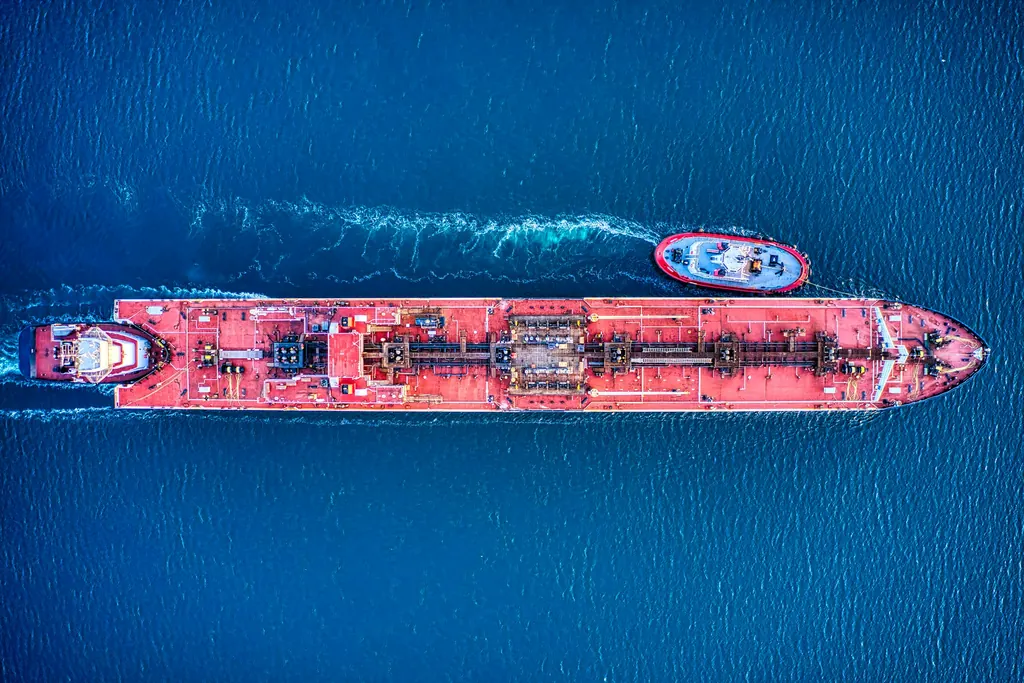
For most of our customers, the ship/shore interface is where storage becomes logistics. Our network operates 20 berths, from barge berths in Rotterdam to a VLCC-capable berth in Fujairah. We plan and engineer marine infrastructure for new and existing terminals.

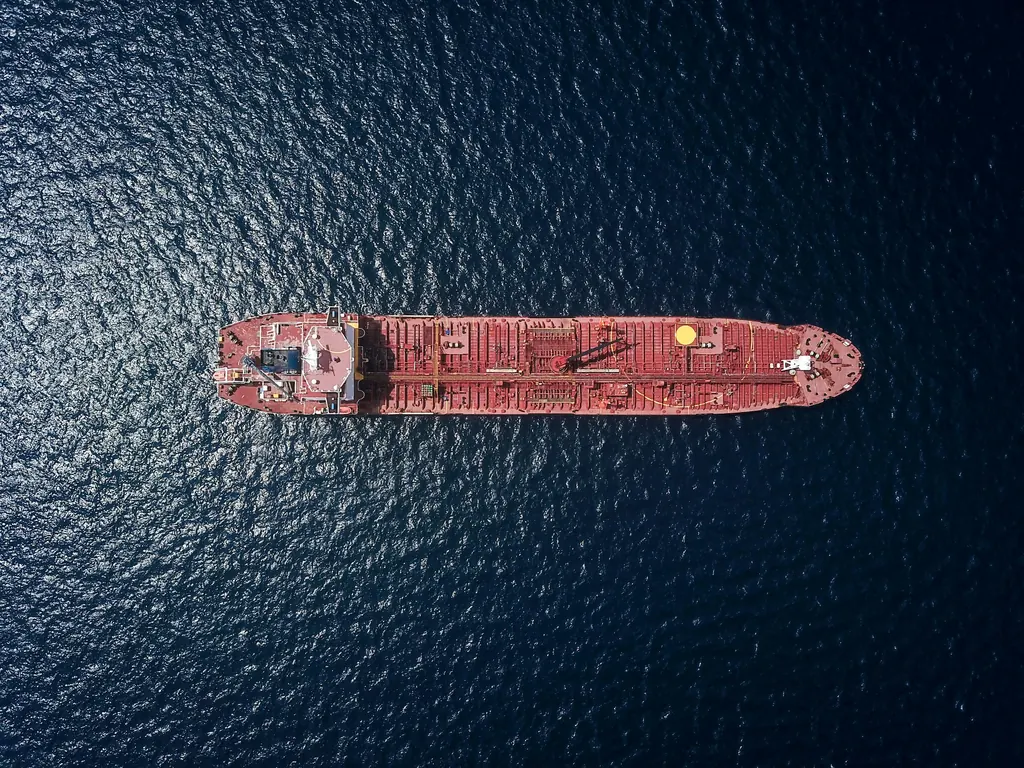
Aerial view of a tanker at sea with a tug alongside

Capabilities

Berths and jetties

Berth configuration, jetty trestle design, breasting and mooring dolphins, fendering, approach and walkway structures.

Loading arms

Selection and specification of marine loading arms, with emergency release systems (ERS) and powered emergency release couplings (PERC) for safe disconnection.

Transfer systems

Hoses and arms sized to the flow rates vessels expect, surge analysis, and vapour return lines for volatile products.

Marine interfaces

Mooring load monitoring, quick-release hooks, berth approach monitoring, ship/shore safety links and communication systems.

Ship/shore operations

Operating procedures aligned with ISGOTT, ship/shore safety checklists, cargo transfer planning, marine operator training, and vessel vetting interfaces.

Technical Considerations

  • Vessel mix: A berth sized for VLCCs is expensive and underused if most calls are 5,000-tonne barges. Berth planning starts with a realistic forecast of vessel calls.
  • Metocean conditions: Wind, wave, current and tidal data set mooring design and operating limits.
  • Transfer rates: Faster loading shortens berth time but increases surge pressures and electrostatic risk. Line sizing and rate limits are engineered together.
  • Environmental protection: Drip trays, spill containment, oil spill response equipment at the berth, and vapour control for volatile cargoes

Customer Benefits

  • Shorter berth times and fewer delays
  • Safe, compliant ship/shore operations
  • Marine infrastructure matched to the vessels you actually use

Service 06

Pipeline & Transfer Infrastructure

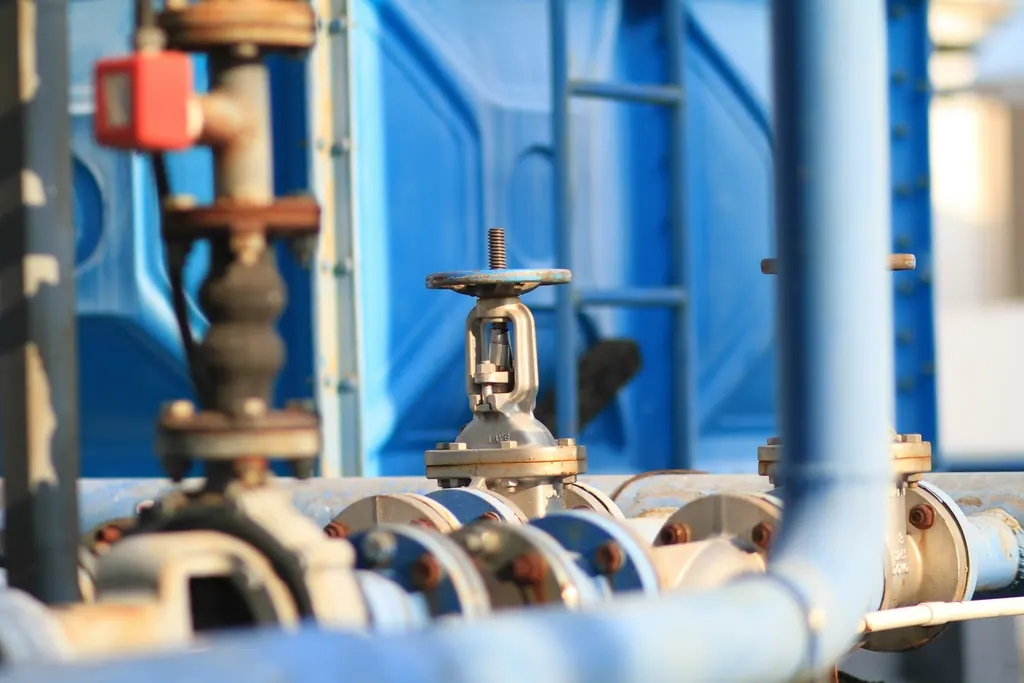
Our terminals are connected by 48 km of transfer pipelines, including links to refineries, industrial users and regional pipeline systems, such as our pipeline-connected Houston terminal. Inside a terminal, the network of lines, manifolds and pumps decides how flexibly products can move and how reliably they stay segregated.

Close-up of pipes and valves on an industrial manifold

Capabilities

Transfer pipelines

In-terminal lines, jetty lines and interconnections to third-party facilities, including routing, sizing, stress analysis and pigging provision.

Manifolds

Tank and jetty manifold design with double block and bleed isolation where segregation is critical. Swing-bend and spool arrangements for flexibility.

Pumping systems

Centrifugal and positive-displacement pump selection for the product viscosity and flow rate. Variable-speed drives for energy efficiency.

Metering

Custody-transfer metering systems with prover loops or master meters, flow computers, and sampling systems.

Product segregation

A segregation philosophy that defines line dedication, line-clearing methods (pigging, flushing, displacement) and interface management between grades.

Technical Considerations

  • Heated products need trace heating or insulated, heated lines, which affects power demand and operating cost
  • Surge pressures from valve closures must be analysed, particularly on long jetty lines
  • Pigging-capable lines cut downgrade losses when switching products
  • Leak detection and cathodic protection are specified for buried or subsea sections

Customer Benefits

  • More flexible product movements
  • Lower downgrade and interface losses
  • Accurate custody-transfer measurement

Service 07

Infrastructure Consulting

Consulting is where Asian Oil Storage began. Since 2018, we have delivered 34 projects in nine countries for developers, industrial companies, distributors and public-sector stakeholders, including our work on the Borneo Oil Storage Terminal. Our advice draws on the experience of operating terminals ourselves, so our recommendations are practical to run as well as sound on paper.

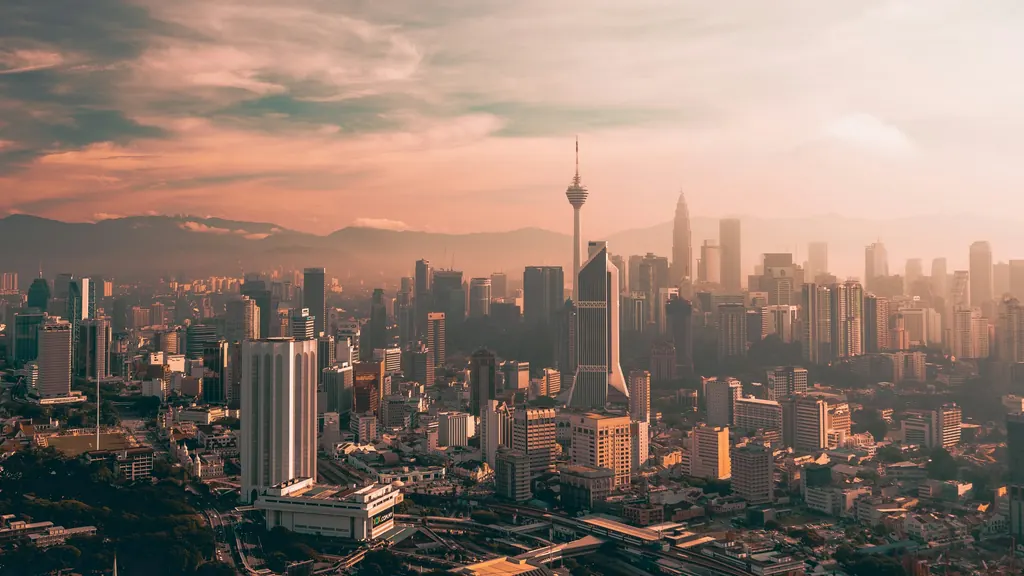
Aerial view of Kuala Lumpur’s city centre and skyline

Capabilities

Feasibility studies

Demand and market analysis, site screening, preliminary capacity sizing, order-of-magnitude cost estimates and investment appraisal.

Concept development

Terminal concept options, layout alternatives, marine configuration, phasing scenarios and a recommended concept with its rationale.

Proposal preparation and briefings

Development proposals, technical presentations and briefing packs for boards, investors, government agencies and partners.

Preliminary engineering

Pre-FEED design basis, process flow diagrams, equipment lists, plot plans and Class 4–5 cost estimates.

Infrastructure assessment

Technical due diligence on existing terminals for acquirers and lenders, condition assessments, debottlenecking studies and remaining-life reviews.

Technical Considerations

  • Our cost estimates state their class and accuracy range (AACE classification), so clients know how much to rely on them
  • Demand forecasts are tested against downside scenarios, not just the base case
  • We are candid when a site or concept does not work. A study that stops a weak project early is money well spent.

Customer Benefits

  • Decision-ready information for boards and investors
  • Advice grounded in operating experience
  • A clear path from study to development, with Asian Oil Storage as a possible long-term partner

Service 08

Storage & Logistics Solutions

A single terminal gives you capacity. A network gives you options. Customers use our four-hub network to position product close to demand, take advantage of regional price differences, manage seasonal changes and protect supply when shipping routes are disrupted.

Capabilities

  • Multi-hub storage agreements: Tankage at two or more terminals under one framework agreement
  • Cargo building and breaking: Assembling large export cargoes from smaller parcels, or breaking deep-sea cargoes into barge and truck deliveries
  • Blending to regional specification: Adjusting product quality for the destination market
  • Strategic and contingency stocks: Holding inventory for supply security, compulsory stock obligations or contingency planning, subject to local rules
  • Scheduling coordination: One commercial contact coordinating nominations and berth windows across terminals

Example Applications

  1. 01A fuel oil trader holds HSFO and VLSFO blend components in Fujairah, blends to specification and supplies bunker demand in both Fujairah and Singapore
  2. 02A refiner in the US Gulf stores diesel in Houston for export, and a European customer receives it into Rotterdam for barge distribution up the Rhine
  3. 03A Southeast Asian distributor keeps a buffer of jet fuel and diesel in Singapore to protect supply during refinery maintenance periods

Customer Benefits

  • Greater supply-chain resilience
  • More commercial flexibility and optionality
  • One counterparty, consistent standards, four locations

Next steps

Tell Us What You Need to Store, Build or Solve

Our commercial and engineering teams work together, so you get one conversation, not a series of handoffs.