
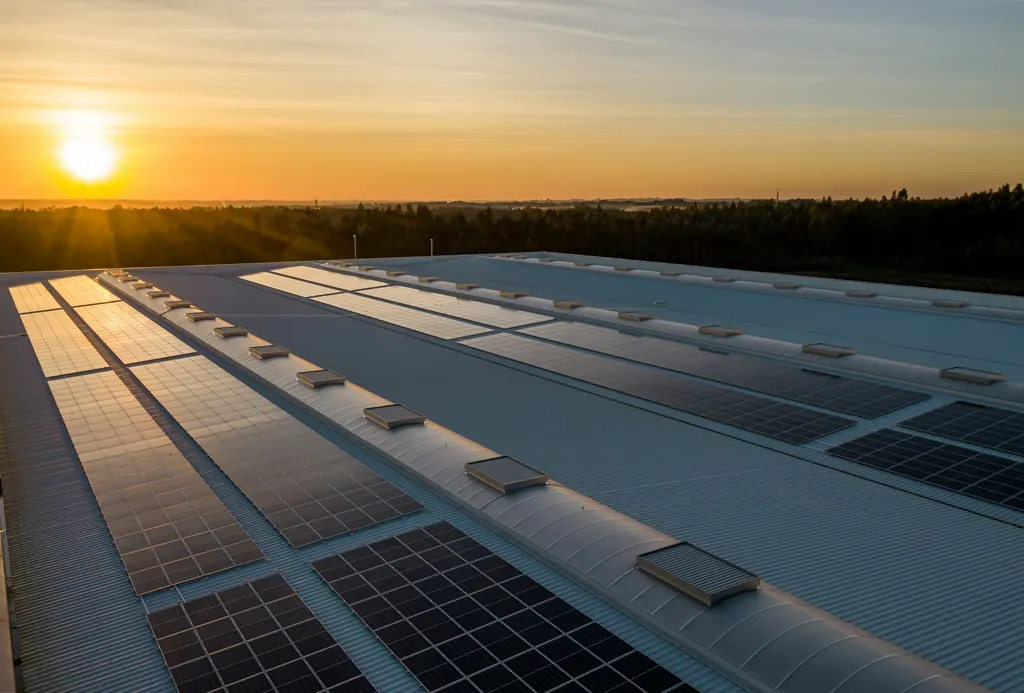
Rows of rooftop solar panels at sunset

Sustainability

Sustainable Terminal Development for a Changing Energy System

Liquid fuels will remain part of the energy system for decades, even as the mix changes. We aim to store and move them with less energy, fewer emissions and less environmental risk, and to prepare our infrastructure for the lower-carbon fuels that will increasingly replace them.

Our Approach

What a Storage Company Can Control and Influence

Oversight sits with the Board’s HSSE & Sustainability Committee. The Chief Operating Officer is accountable for delivering operational targets.

  1. 1

    Operate efficiently

    Reduce the energy, emissions, water and waste involved in storing and moving product

  2. 2

    Prevent harm

    Protect land, water, air and biodiversity from spills, leaks and emissions

  3. 3

    Develop responsibly

    Build environmental and social considerations into new infrastructure from the first concept

  4. 4

    Prepare for transition

    Adapt our assets and capabilities to renewable and lower-carbon liquid fuels

  5. 5

    Support people and communities

    Keep our people safe, develop their skills and contribute to the communities around our terminals

Climate

Reducing Operational Emissions

Our main emissions sources are heating systems for fuel oil storage (Scope 1) and electricity for pumps, lighting and buildings (Scope 2).

We report intensity because our network has grown through acquisitions. An absolute figure alone would not show whether our operations are becoming more efficient. We will add absolute reduction targets once the network’s baseline has stabilised.

Scope 3: The emissions associated with the products our customers store are far larger than our own operational emissions. We do not own those products, but we recognise the role our infrastructure plays in the energy system. Our preparation for renewable fuels (see below) is part of our response.

10,400

Scope 1 emissions, tCO₂e

11,200

Scope 2 emissions (market-based), tCO₂e

21,600

Total Scope 1 + 2, tCO₂e

1.20

kg CO₂e per tonne of throughput

−21%

Emissions intensity change vs the 2022 baseline (1.52 kg/t)

Our targets:

  • 35% reduction in emissions intensity by 2030, against the 2022 baseline
  • 60% renewable electricity by 2030

Figures for 2025.

Energy Efficiency

Using Less Energy per Tonne

Target: 15% improvement in energy intensity by 2028 against 2022.

−9%

Progress by 2025

Energy efficiency initiatives
InitiativeStatus
Heating optimisation for fuel oil tanks (setpoints and insulation)Completed in Fujairah; under way in Singapore
Variable-speed drives on transfer pumps62% of major pumps fitted
LED terminal lighting81% converted; 100% by 2027
On-site solar2.7 MWp installed (Fujairah 1.8 MWp, Singapore 0.9 MWp); 5 MWp by 2028
Renewable electricity supply contractsRotterdam supplied with renewable electricity

Environmental Protection

Protecting Land, Water, Air and Biodiversity

Spill Prevention

  • Double tank bottoms or leak detection on tanks, depending on design
  • Bunded tank groups and impermeable loading areas
  • Independent overfill protection on all 60 tanks
  • 2025: no spills to water; three minor spills (under 1 barrel each) contained on hard standing
Air Quality

  • Floating roofs on volatile product tanks
  • Vapour recovery and vapour return in Rotterdam, Singapore and Houston
  • Rotterdam VOC emissions down 38% compared with 2022

Water Management

  • Oily water treated before discharge, with continuous monitoring
  • Firewater system testing optimised to reduce water use
  • Water withdrawal down 15% from 219,000 m³ (2023) to 186,000 m³ (2025)
  • Target: 20% reduction by 2028 against 2023

Waste Management

  • 64% of non-hazardous waste diverted from landfill in 2025 (target: 75% by 2028)
  • 2,300 m³ of hydrocarbons recovered from tank-cleaning sludge between 2023 and 2025 by centrifuge treatment, cutting hazardous waste volumes

Biodiversity Awareness

  • Biodiversity screening in site selection for new developments. The Borneo site was chosen partly to avoid primary mangrove and sensitive coral areas
  • Vegetation buffers and landscape screening at terminal boundaries
  • Coastal and marine sensitivity maps built into spill response planning

Digital Monitoring

  • Continuous monitoring of tank levels, leak detection and emissions control equipment
  • Condition monitoring of critical rotating equipment: 74% coverage (target 100% by 2027)
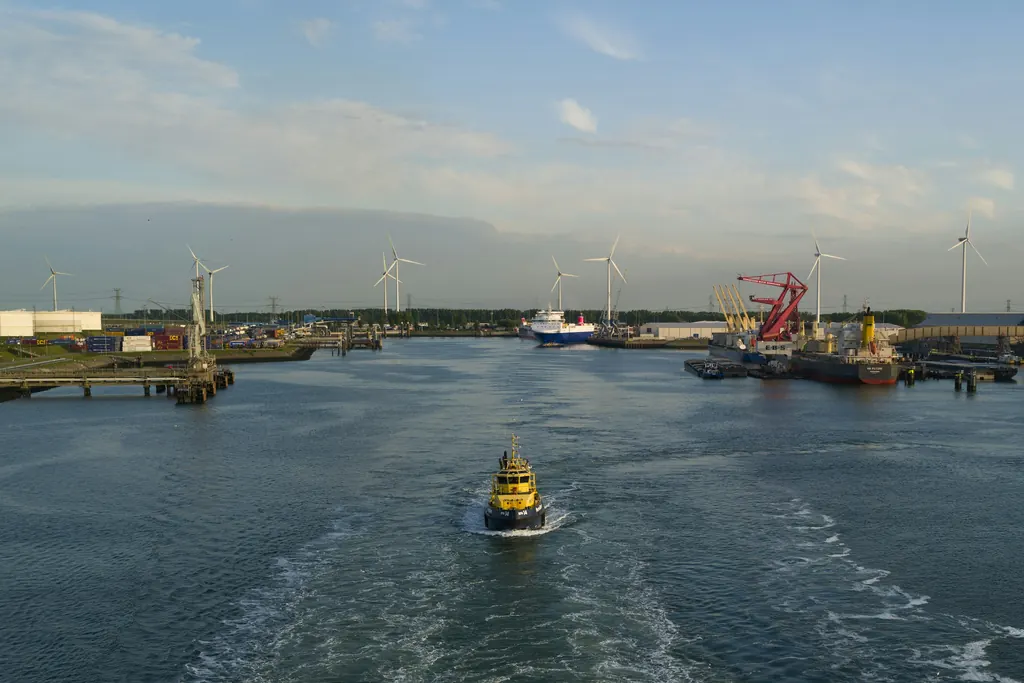
Busy port waterway with a pilot boat and wind turbines on the horizon

Preparing for Lower-Carbon Fuels

Infrastructure for the Energy Transition

Storage terminals are well placed to support the energy transition. Renewable diesel, sustainable aviation fuel, biofuels and other lower-carbon liquid fuels all need storage, blending and logistics.

  • Rotterdam: 60,000 m³ of dedicated biofuel tankage and inline blending; a further 120,000 m³ for renewable fuels and SAF in permitting. See renewable fuels in Rotterdam.
  • Borneo: Biodiesel blending capacity designed into Phase 1, following environmental site selection in Borneo
  • Design standards: New tanks and lines designed where practical for possible future conversion to lower-carbon products

Safety

Safety as a Sustainability Priority

A sustainable business is first a safe one. In 2025, our Lost Time Injury Frequency was 0.38 per million hours, and we recorded no Tier 1 process safety events.

Full safety performance

People

Our People

Employees
240
Nationalities
21
Women in workforce
24%
Training hours per employee
62
  • Structured career development for operators, technicians and engineers
  • International assignments across the network
  • Graduate engineering programme in Kuala Lumpur
  • Commitment to fair employment, equal opportunity and respect at work

Communities

Good Neighbours

Community investment
USD 410,000
Volunteering hours
2,100
AOS Engineering Scholarships (Malaysia)
6 per year
  • AOS Engineering Scholarships: Six university scholarships each year for Malaysian students in chemical, mechanical, civil and electrical engineering, with internships at our terminals
  • Local engagement: Community liaison at each terminal, with open channels for feedback and concerns
  • Emergency cooperation: Joint exercises with local emergency services
  • Local procurement: Preference for qualified local suppliers and contractors
  • Borneo: Community and stakeholder engagement built into the EIA and social impact assessment process

Governance

Governance and Accountability

  • Board-level oversight through the HSSE & Sustainability Committee
  • Code of Conduct and Anti-Bribery and Corruption Policy, including adequate procedures under Section 17A of the Malaysian Anti-Corruption Commission Act 2009
  • Whistleblowing channel available to employees, contractors and third parties
  • ISO 14001 certified environmental management systems at all four terminals
  • Sustainability performance reported every year. We plan to seek independent assurance of key indicators from the 2026 reporting year

Targets

Our Targets

Sustainability targets
AreaTargetBaselineDeadline
Emissions intensity (Scope 1 + 2)−35%20222030
Renewable electricity60% of consumption-2030
On-site solar5 MWp-2028
Energy intensity−15%20222028
LED lighting100%-2027
Condition monitoring of critical rotating equipment100%-2027
Water withdrawal−20%20232028
Non-hazardous waste diverted from landfill75%-2028
Spills to waterZero-Every year

Progress

Progress to Date

2025 performance. Bars show progress towards each target; the orange tick marks the target.

Emissions intensity

−21% vs 2022 · target −35% by 2030

On track

Renewable electricity

29% · target 60% by 2030

On trackFurther contracts required

On-site solar

2.7 MWp · target 5 MWp by 2028

On track

Energy intensity

−9% vs 2022 · target −15% by 2028

On track

LED lighting

81% · target 100% by 2027

On track

Condition monitoring

74% · target 100% by 2027

On track

Water withdrawal

−15% vs 2023 · target −20% by 2028

On track

Waste diverted from landfill

64% · target 75% by 2028

Behind target trajectoryImprovement plan in place for Houston and Fujairah

Spills to water

0 · target zero every year

Met

Next steps

Talk to Us About Sustainability

Customers, partners and investors can ask us for more detail on our sustainability performance and plans.