
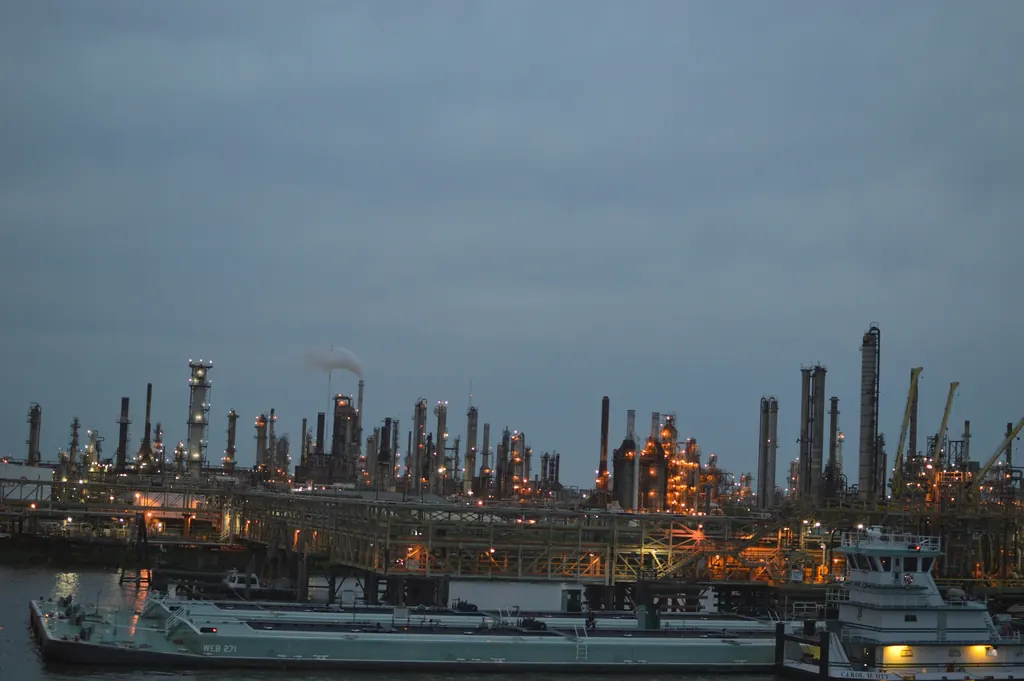
North American Hub · Houston Ship Channel, Texas
AOS Houston Ship Channel Terminal: Oil Storage in Houston
Our North American gateway, at the centre of the US Gulf Coast refining and petrochemical complex. It offers 640,000 m³ (about 4.0 million barrels) of storage for crude oil, petrochemical feedstocks and refined products, connected by ship, barge, pipeline, truck and rail.
~4.0M bbl
640,000 m³ storage capacity
14
Tanks
3.6 Mt
Throughput (2025)
5
Transport modes
Terminal Overview
At the Centre of the Gulf Coast Energy System
The Houston Ship Channel is lined with refineries, petrochemical plants and storage terminals, and connects to an extensive network of crude, product and feedstock pipelines. It is one of the most important centres of North American energy supply and export.
We acquired the terminal in 2024, completing our four-hub network. Within 11 months of acquisition, we integrated it into our group terminal management system. We also upgraded its SCADA and overfill protection systems in a controls modernisation and hardened critical electrical systems against hurricanes, all without interrupting customer operations.
The Houston terminal stands out for its connectivity. It is the only terminal in our network served by all five transport modes: ship, barge, pipeline, truck and rail.
Storage Infrastructure
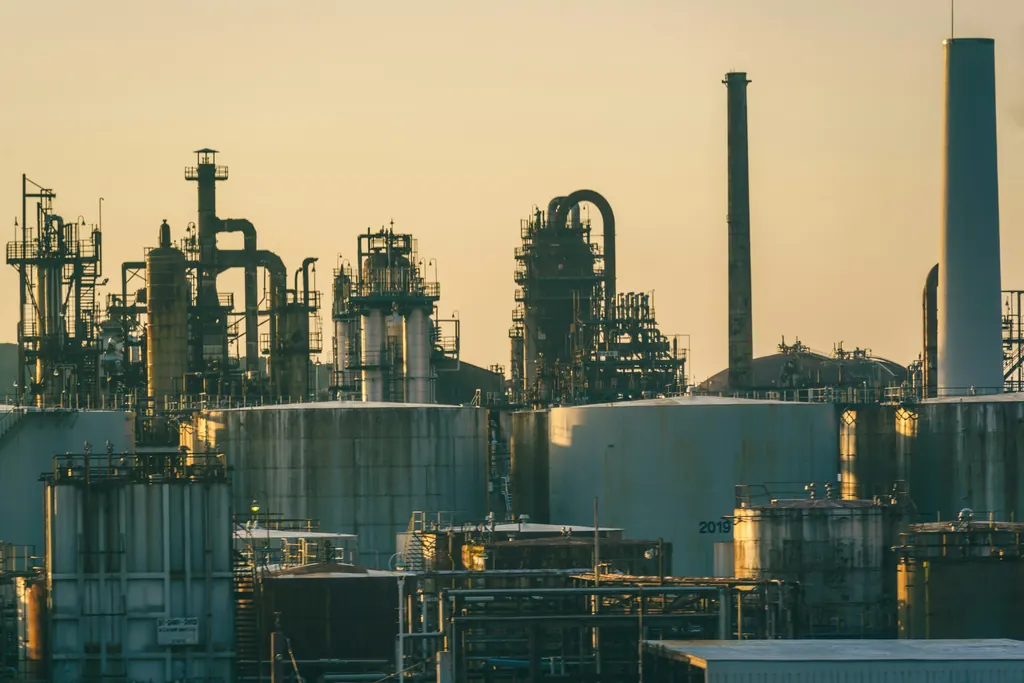
Tank Configuration
| Tanks | Capacity each | Approx. bbl each | Total | Construction | Service |
|---|---|---|---|---|---|
| 3 | 80,000 m³ | 503,000 | 240,000 m³ | External floating roof | Crude oil and condensate |
| 2 | 48,000 m³ | 302,000 | 96,000 m³ | Internal floating roof | Naphtha / petrochemical feedstocks |
| 2 | 48,000 m³ | 302,000 | 96,000 m³ | Internal floating roof | Gasoline and blendstocks |
| 1 | 48,000 m³ | 302,000 | 48,000 m³ | Fixed cone roof | Diesel |
| 2 | 30,000 m³ | 189,000 | 60,000 m³ | Fixed cone roof | Diesel |
| 2 | 30,000 m³ | 189,000 | 60,000 m³ | Internal floating roof | Jet fuel |
| 2 | 20,000 m³ | 126,000 | 40,000 m³ | Internal floating / fixed roof | Truck rack supply |
| 14 | 640,000 m³ (~4.0M bbl) |
Crude tanks have secondary seals on the external floating roofs and side-entry mixers to limit sediment build-up
Crude can be blended in tank to meet export or refinery feed specifications
The two truck-rack supply tanks keep rack operations separate from marine and pipeline movements
Marine Infrastructure
Ship and Barge Docks
| Dock | Vessel size | Max LOA | Typical rate | Use |
|---|---|---|---|---|
| Dock 1 | Up to 110,000 DWT (draft-restricted by channel) | 250 m | 12,000 bbl/h (~1,900 m³/h) | Aframax (partially laden), LR2, crude and product exports |
| Dock 2 | Up to 60,000 DWT | 200 m | 10,000 bbl/h (~1,600 m³/h) | MR tankers, articulated tug-barges |
| Barge Docks 1–3 | 10,000–30,000 bbl tank barges | 90 m | 5,000 bbl/h (~800 m³/h) | Inland waterway and Gulf Intracoastal distribution |
Loading and Unloading
- Marine loading arms with emergency release at both ship docks
- Vapour control systems for gasoline, naphtha and crude loading
- Barge docks serve the Gulf Intracoastal Waterway and inland river system
- Maximum draft for all vessels is set by Houston Ship Channel limits and pilotage rules
Five Modes of Connectivity
Two docks, up to 110,000 DWT (draft-restricted)
Three barge docks for inland and Intracoastal barges
18 km of transfer lines, including inbound crude connections and a connection to a regional refined-products pipeline system
Six-lane bottom-loading truck rack with additive injection and automated access control
30-car rail spur for loading and unloading feedstocks and products
Customers and Strategic Role
Who Uses the Houston Terminal
- Refiners on the Gulf Coast, for crude receipt, feedstock and product storage
- Petrochemical companies taking naphtha and other feedstocks
- Crude and product exporters building cargoes for Europe, Latin America and Asia
- Commodity traders active in Gulf Coast markets
- Regional wholesale fuel distributors using the truck rack
- Industrial fuel users
Strategic Importance
Houston connects our network to North American supply. US Gulf Coast exports of crude, diesel, gasoline and naphtha link the terminal to Rotterdam across the Atlantic, for European distribution via Rotterdam, and to Singapore across the Pacific, via the Panama Canal or the Cape of Good Hope.

Connected hubs
Terminal Capabilities
What the Terminal Can Do for Your Product
Product acceptance depends on terminal specifications, tank and line availability, regulatory requirements, product compatibility, safety assessment and contract conditions.
Read the case study: Houston Terminal Integration and Controls Modernisation- Crude oil receipt, storage, blending and export
- Petrochemical feedstock storage and delivery by pipeline and rail
- Gasoline blending and additive injection
- Five-mode inbound and outbound logistics
- Customer inventory portal with reporting after each movement
Safety and Operations
Operating Standards and Hurricane Resilience
- 01Operated in line with applicable US federal, state and local requirements, including US Coast Guard regulations for marine transfer facilities, spill prevention and response planning, and maritime security requirements
- 02The 2024–2025 controls modernisation upgraded SCADA and installed safety instrumented overfill protection on all 14 tanks
- 03Hurricane preparedness: Critical electrical equipment raised above design flood levels. Staged hurricane procedures cover tank ballasting (keeping minimum product levels so tanks do not float in storm surge), shutdown of marine operations and controlled restart. A post-storm inspection protocol applies before operations resume.
- 04Emergency response coordinated with local mutual-aid organisations on the Ship Channel
- 05Access control and credential checks for all personnel entering secure areas
Expansion Potential
Permitted for Growth
+160,000 m³
Permitted; FID target 2027
The terminal holds permits for four additional 40,000 m³ tanks (160,000 m³ / about 1.0 million bbl), which would take capacity to 800,000 m³ (about 5.0 million bbl). The final investment decision is targeted for 2027 and depends on customer commitments. Early customer involvement can shape tank service and configuration.
Network expansion pipelineRead our group approach to oil terminal safety and HSSE.
Insights
Further Reading
Next steps
Secure Storage on the Gulf Coast
Talk to our Houston team about crude, feedstock or refined product storage, and about early participation in our expansion.