
Health, Safety, Security & Environment
Oil Terminal Safety Comes First
Our terminals hold millions of cubic metres of flammable product next to ports, waterways and communities. We take that responsibility seriously. We engineer out hazards, train our people well, prepare for emergencies and report our performance openly.
Safety Philosophy
Our Safety Philosophy
Everyone goes home safe.
No product, schedule or cost saving justifies putting a person at risk.
Stop work authority.
Every employee and contractor has the authority, and the obligation, to stop work they believe is unsafe. We support people who use it, even when the concern turns out to be unfounded.
Learn from everything.
Near misses and safety observations are chances to learn. Our 7,850 safety observations in 2025 are a sign of an engaged workforce, not a problem to minimise.
Be honest about performance.
We publish our injury and process safety data, including the years when the numbers are not what we want.
Life-Saving Rules
Nine rules apply to everyone on every site, without exception:
- 1Work with a valid permit when required
- 2Verify isolation before work begins
- 3Obtain authorisation before entering a confined space
- 4Protect yourself against a fall when working at height
- 5Control flammables and ignition sources
- 6Obtain authorisation before overriding or disabling safety-critical equipment
- 7Follow safe lifting plans
- 8Do not work or drive under the influence of alcohol or drugs
- 9Wear your seat belt and follow site speed limits
How We Manage HSSE
Six Areas of Control
Operational safety, process safety, emergency preparedness, contractor management, security and environmental protection.
Operational Safety
Safety in Daily Operations
- Permit to work: One group permit-to-work system for hot work, confined space entry, work at height, electrical isolation and excavation
- Management of change: Formal review and approval of any change to equipment, procedures, products or organisation
- Operating procedures: Written, up-to-date procedures for all routine and non-routine operations, reviewed with the operators who use them
- Shift handover: Structured handover to make sure safety-critical information passes between shifts
- Marine operations: Ship/shore safety checklists and procedures aligned with ISGOTT for every vessel transfer
Process Safety
Preventing Major Accidents
Process safety is about preventing major incidents, such as loss of containment, fires and explosions, that could harm many people or cause major environmental damage. We manage it through:
- Hazard identification: HAZID and HAZOP studies for new facilities and significant modifications
- Layers of protection: LOPA to confirm that enough independent safeguards are in place
- Overfill protection: Independent high-high level alarms and safety instrumented shutdowns on all 60 tanks, following API 2350 principles
- Safety instrumented systems designed and maintained to IEC 61511
- Asset integrity: Tank inspections to API 653; piping inspection; risk-based inspection planning
- Safety-critical elements: Identified, performance standards defined, and tested on schedule
- Process safety indicators: Tier 1 and Tier 2 process safety events tracked and reported according to recognised industry practice
Emergency Preparedness
Ready to Respond
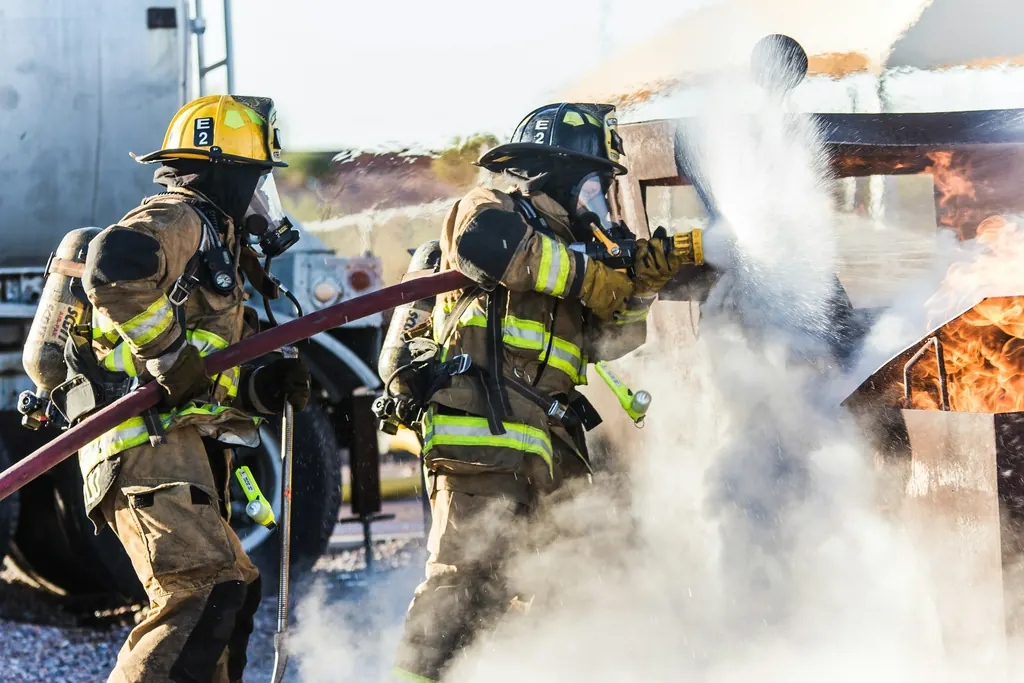
Each terminal has an emergency response plan for its specific risks, including tank fires, spills, marine incidents, severe weather and security threats.
- On-site emergency response teams trained in firefighting, spill response and first aid
- Fixed fire protection: Foam systems on floating-roof tanks, cooling water deluge, firewater networks and monitors
- Drills and exercises: 96 in 2025, including a full-scale exercise with external emergency services at each terminal
- Oil spill response: Equipment at every berth; agreements with specialist spill response providers
- Mutual aid: Cooperation with neighbouring facilities and port emergency services
- Crisis management: Group crisis management team in Kuala Lumpur, supporting terminal incident commanders
Contractor Management
Contractor Safety
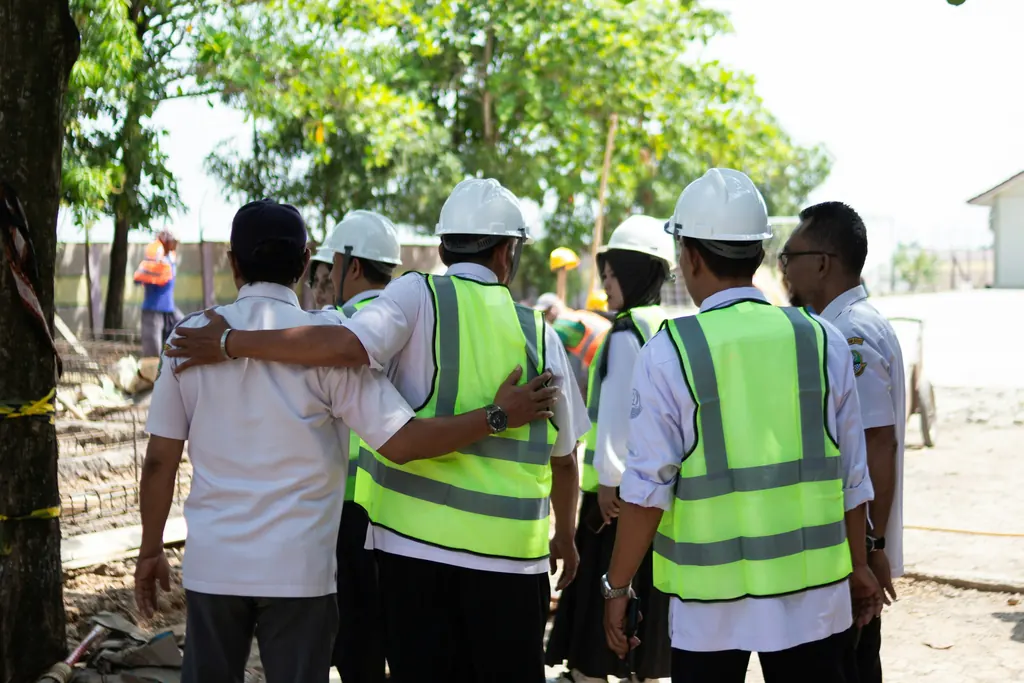
Contractors worked 68% of all hours at our sites in 2025. Their safety is our responsibility.
- Pre-qualification: HSSE performance and systems assessed before contract award
- Site induction: Mandatory site-specific induction for every contractor worker
- Supervision: Clear accountability for contractor supervision on every job
- Performance monitoring: Contractor safety performance reviewed monthly, with lessons shared across the network
- Integrated reporting: Contractor incidents reported and investigated to the same standard as employee incidents
Security
Protecting Critical Infrastructure
- Physical security: Perimeter fencing, controlled access points, CCTV and intrusion detection
- Maritime security: Security plans that meet international and national maritime security requirements for port facilities
- Access control: Credential checks and escort requirements for visitors and contractors
- Cybersecurity: OT security aligned with IEC 62443 (see OT cybersecurity)
- Personnel security: Background checks for roles with access to critical systems, as permitted by local law
- Security risk assessments reviewed every year and after any significant change
Environmental Protection
Protecting the Environment Around Our Terminals
- Containment: Bunded tank groups sized for the largest tank; impermeable surfaces in loading areas
- Leak detection: Tank-bottom leak detection and groundwater monitoring wells
- Emissions control: Floating roofs, vapour recovery and vapour return where appropriate
- Water treatment: Oily water separation and treatment before discharge, with regular monitoring
- Waste management: Segregation, recovery and responsible disposal. Hydrocarbons are recovered from tank-cleaning sludge
- Environmental monitoring: Air, water, noise and soil monitoring as required by permits
In 2025, we had no spills to water. Three minor spills of less than one barrel each were contained on hard standing and cleaned up.
Safety Statistics
Safety Performance
| Indicator | 2023 | 2024 | 2025 |
|---|---|---|---|
| Hours worked (employees + contractors) | 2.1 million | 2.4 million | 2.6 million |
| Fatalities | 0 | 0 | 0 |
| Lost time injuries | 2 | 2 | 1 |
| Lost Time Injury Frequency (per million hours) | 0.95 | 0.83 | 0.38 |
| Total recordable injuries | 5 | 4 | 3 |
| Total Recordable Injury Frequency (per million hours) | 2.38 | 1.67 | 1.15 |
| Tier 1 process safety events | 1 | 1 | 0 |
| Tier 2 process safety events | 4 | 3 | 2 |
| Emergency drills and exercises | 71 | 84 | 96 |
| Safety observations reported | 5,120 | 6,470 | 7,850 |
Data include employees and contractors. The 2023 data include Fujairah from its acquisition date, and the 2024 data include Houston from its acquisition date.
What the Numbers Tell Us
Our injury frequency rates have improved every year, but they are not zero, and we do not claim they are. The 2024 Tier 1 process safety event was a loss of containment from a flange gasket failure during a transfer at one terminal. It was contained within the bund and caused no injuries. The investigation led to a network-wide review of gasket specifications and flange management procedures.
Training
Competence Through Training
38,600
Total training hours (employees + contractors), 2025
62
Average training hours per employee
- Operator competence programme: Structured training and assessment for every operating role, with periodic reassessment
- Marine operations training aligned with ISGOTT
- Process safety training for engineers, supervisors and managers
- Emergency response training with live-fire exercises for response teams
- Leadership safety training for all people managers
- Simulator and digital twin training (piloted in Singapore)
Insights
Further Reading
Next steps
Safety Is Part of Every Conversation
If HSSE performance matters to your organisation, we are happy to share more detail during due diligence.