
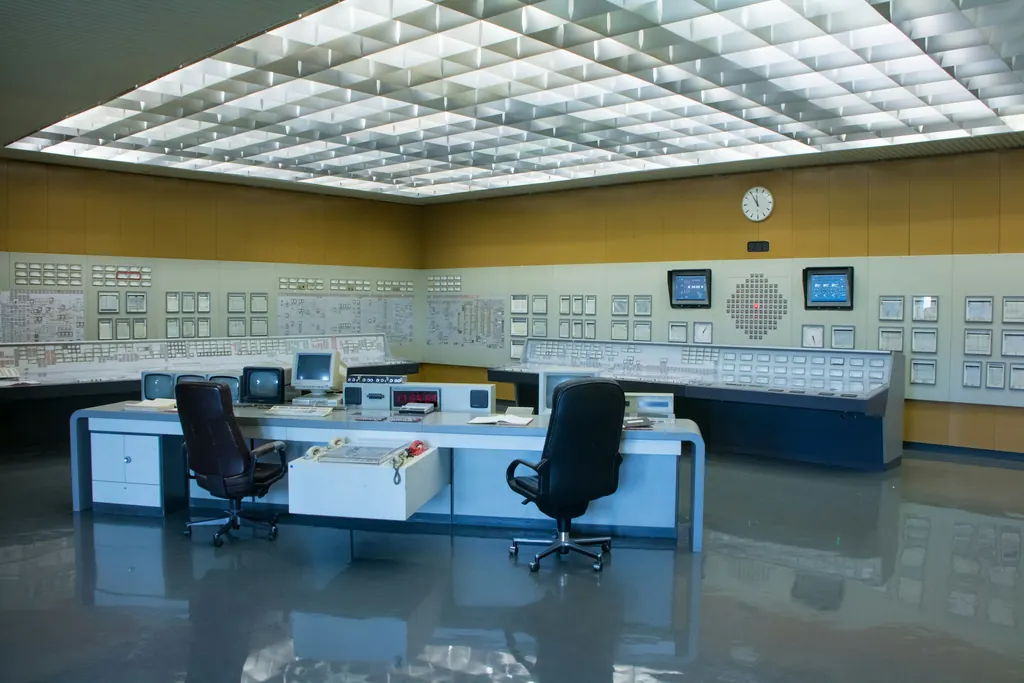
Industrial control room with operator desks and wall-mounted control panels

Technology

Practical Terminal Technology for Physical Infrastructure

Tanks, pumps and berths do the physical work of a terminal. Technology, from our terminal management system to automated tank gauging, helps us run them more safely, measure them more accurately and maintain them before they fail. We invest in tools that pay off in operations, not in headlines.

Terminal Management System

One Terminal Management System Across Four Terminals

Since 2025, all four terminals have run on a single group terminal management system (TMS).

  • Consistent data and reporting formats across all terminals
  • Faster movement closure and fewer reconciliation disputes
  • Group-wide visibility of capacity, utilisation and performance

It manages:

01

Orders and nominations

Customer nominations, approvals and scheduling

02

Movements

Every receipt, delivery and transfer, linked to tank, line and berth

03

Inventory

Real-time stock by customer, product and tank

04

Reconciliation

Tank gauge, meter and vessel figures compared after every movement

05

Documentation

Bills of lading, certificates of quantity and customs documents where applicable

06

Customer portal

Inventory, movement history and documents available to customers online

Automated Tank Gauging

Accurate Measurement, Independent Protection

All 60 tanks have radar-based automated tank gauging, which measures:

  • Product level
  • Average product temperature (multi-point sensors)
  • Water interface at the tank bottom

Gauging data feeds the TMS for inventory, and the control system for operations. Separately, each tank has an independent high-high level alarm connected to a safety instrumented shutdown. The protection layer does not depend on the gauge it backs up. Read about our overfill protection.
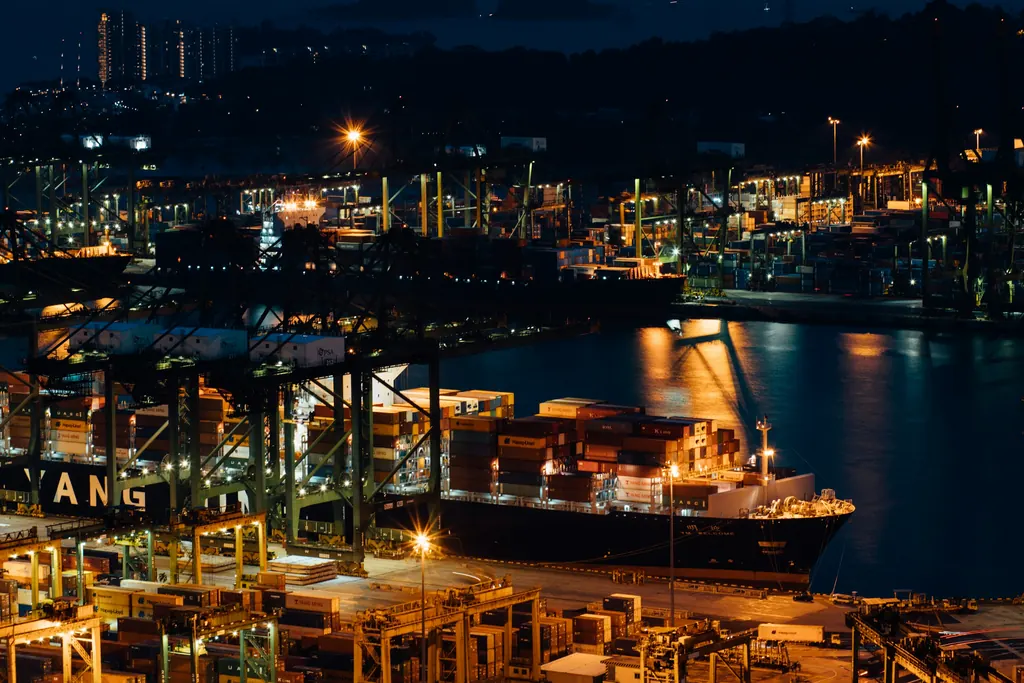
SCADA and Control Systems

Supervisory Control and Data Acquisition

Each terminal has a local control room with a SCADA system that monitors and controls pumps, valves, tank levels, loading operations and utilities. Operators control their own terminal. Control is never exercised remotely from another country.

  • Alarm management following ISA-18.2 principles, to reduce nuisance alarms and help operators respond to the alarms that matter
  • Historian data retained for performance analysis and incident investigation
  • Emergency shutdown systems independent of SCADA

Remote Monitoring

The Network Performance Centre

Our Network Performance Centre in Kuala Lumpur monitors operating and performance data from all four terminals around the clock. It does not control terminal operations. Its roles are:

  • Network-wide performance dashboards: utilisation, throughput, berth occupancy, energy use
  • Trend monitoring and early warning of equipment degradation
  • Benchmarking between terminals
  • Support to terminal teams for troubleshooting and analysis

Predictive Maintenance

Maintaining Equipment Before It Fails

We are extending condition monitoring across critical rotating equipment: pumps, motors, compressors and mixers. Vibration, temperature and electrical current data are analysed to detect developing faults such as bearing wear, misalignment and cavitation.

Risk-based inspection programmes for tanks and piping complement predictive maintenance, so that inspection effort goes where the risk is highest.

Critical rotating equipment under condition monitoring

74%

2025
Target: 100% by 2027

0%100% target

Digital Twin

A Digital Twin Pilot in Singapore

In 2026, we began a digital twin pilot at the Jurong terminal. It is a 3D model of the tank farm and jetty, linked to live operating data, maintenance records and engineering documents.

We will evaluate the pilot in the first quarter of 2027 before deciding whether to extend it to other terminals. It is a tool to support engineers and operators, not to replace their judgement.

What we are testing:

Maintenance planning

Seeing work orders, isolations and access routes in context

Training

Familiarising new operators with the terminal layout before they go on site

Management of change

Assessing the effect of proposed modifications before they are built

Emergency planning

Visualising scenarios and response routes

Cybersecurity

Protecting Operational Technology

Terminal control systems are critical infrastructure. Our operational technology (OT) cybersecurity programme follows the principles of the IEC 62443 series:

  • Network segmentation: Control systems separated from business networks, with controlled data flows
  • Access control: Role-based access, multi-factor authentication for remote access and privileged account management
  • Monitoring: OT network monitoring to detect anomalies
  • Patch and vulnerability management adapted to the constraints of industrial systems
  • Incident response: Cyber incident response plans tested alongside operational emergency exercises
  • Awareness: Cybersecurity training for all employees, with specific training for control system users

We are working towards ISO/IEC 27001 certification for group information security by 2027.

Automated Reporting and Data Analytics

Better Information, Faster

Automated customer reporting

Movement confirmations and stock statements generated by the TMS

Regulatory and environmental reporting

Emissions, energy and water data compiled consistently across terminals

Operational analytics

Berth utilisation, turnaround times, pumping efficiency and energy intensity, analysed to find improvements

Loss control analytics

Product gains and losses tracked by product, tank and movement type

The analytics in our Rotterdam case study helped cut barge turnaround by 26%.

Next steps

See How Our Systems Support Your Product

Ask us about the customer portal, inventory reporting or our approach to operational technology.