
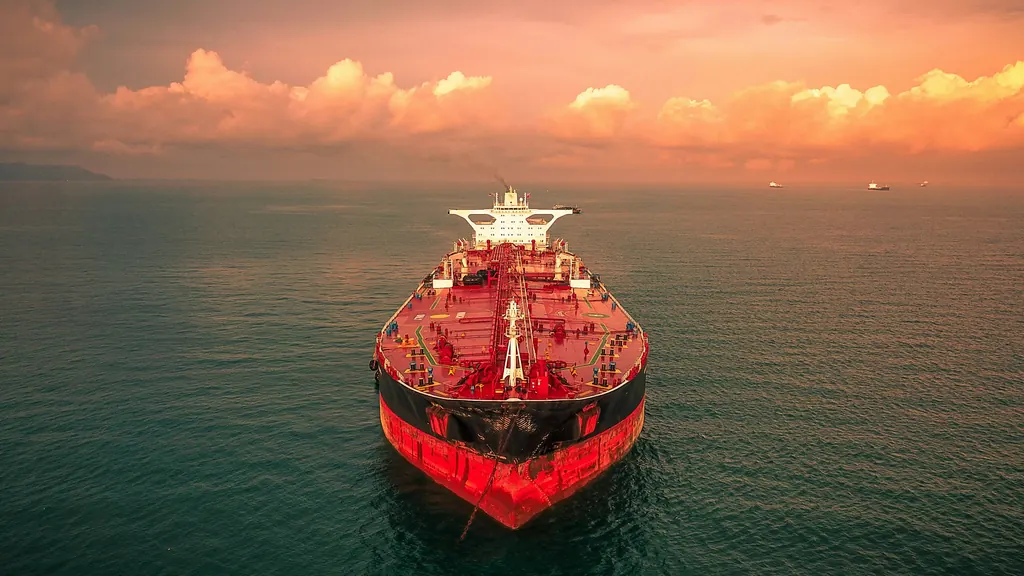
Middle East Hub · Fujairah, United Arab Emirates
AOS Fujairah Marine Terminal: Oil Storage in Fujairah
Our Middle East hub, on the Gulf of Oman outside the Strait of Hormuz. It offers 960,000 m³ of storage for crude oil, fuel oil and marine fuels, with the network’s largest tanks, a VLCC-capable berth and high-rate bunker barge loading.
960,000 m³
Storage capacity
12
Tanks, up to 120,000 m³
5.4 Mt
Throughput (2025)
VLCC
Berth up to 320,000 DWT
Terminal Overview
Outside the Strait, On the Route
Fujairah is on the east coast of the United Arab Emirates, facing the Gulf of Oman and the Arabian Sea. Its position outside the Strait of Hormuz makes it a natural place for storage, blending and bunkering on the routes linking Middle Eastern supply with markets in Asia, Africa and Europe. It is one of the world’s largest bunkering centres.
We acquired the terminal in 2023 with 800,000 m³ in 10 tanks. The Fujairah Marine Storage Optimisation programme, completed in 2025, added two heated 80,000 m³ tanks for VLSFO blending, upgraded the barge berth from 1,500 to 2,200 m³/h, and installed a 1.8 MWp solar array. Capacity now stands at 960,000 m³.
Fujairah handles the network’s highest throughput, 5.4 million tonnes in 2025, reflecting the steady turnover of bunker fuel supply and crude cargo operations.
Storage Infrastructure
Tank Configuration
| Tanks | Capacity each | Total | Construction | Service |
|---|---|---|---|---|
| 2 | 120,000 m³ | 240,000 m³ | External floating roof | Crude oil |
| 2 | 120,000 m³ | 240,000 m³ | Fixed cone roof; insulated; heated | Fuel oil (HSFO) |
| 4 | 80,000 m³ | 320,000 m³ | Fixed cone roof; insulated; heated; jet mixers | VLSFO and fuel oil blending |
| 4 | 40,000 m³ | 160,000 m³ | Fixed cone roof | Gasoil / marine gasoil |
| 12 | 960,000 m³ |
The 120,000 m³ tanks are the largest in our network, sized for VLCC part-cargoes and large fuel oil parcels
Four heated blending tanks with jet mixers give consistent VLSFO blends, and in-line analysers check viscosity, density and sulphur before release
Tank coatings and insulation are specified for high ambient temperatures and humidity
Heating is optimised so that tanks are held at the minimum temperature needed for pumpability, saving energy
Marine Infrastructure
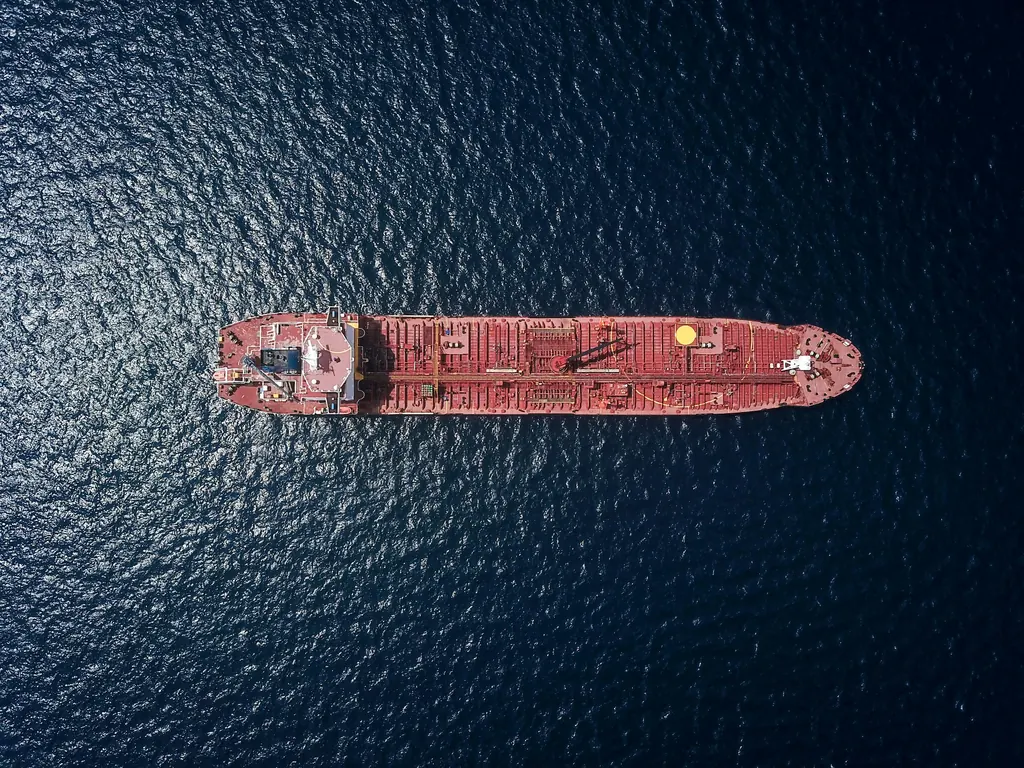
VLCC Capability and High-Rate Barge Loading
| Berth | Vessel size | Max draft | Max LOA | Typical rate | Use |
|---|---|---|---|---|---|
| Berth 1 | Up to 320,000 DWT (VLCC) | 20.5 m | 340 m | Up to 10,000 m³/h (crude) | VLCC and Suezmax crude operations; large fuel oil cargoes |
| Berth 2 | Up to 100,000 DWT | 14.5 m | 250 m | 4,000 m³/h (fuel oil) | Aframax / LR2 fuel oil and gasoil |
| Barge Berth | 3,000–7,500 DWT bunker barges | 7.0 m | 120 m | 2,200 m³/h | Bunker barge loading |
Loading and Unloading
- Berths 1 and 2 are on the port’s oil-terminal jetty network, connected to the terminal by dedicated lines
- 16-inch and 20-inch loading arms with emergency release at Berth 1
- Barge berth upgraded in 2025 with a new loading arm and pumps: a typical 5,000-tonne bunker barge parcel now pumps in about 2.3 hours, down from 3.4
- Ship-to-ship transfer coordination for customers operating in the Fujairah anchorage, subject to port rules
Marine First, Road for Domestic Supply
Direct access to the Gulf of Oman, with Fujairah anchorage for bunkering and ship-to-ship operations
7 km of dedicated lines between the tank farm and the port jetties
Four bays for gasoil distribution within the UAE
Customers and Strategic Role
Who Uses the Fujairah Terminal
- Licensed bunker suppliers serving the Fujairah anchorage
- Fuel oil and crude traders
- Marketing arms of national and international oil companies
- Shipowners and operators with term fuel supply arrangements, via their suppliers
- Regional gasoil distributors
Strategic Importance
Fujairah is the pivot of our network. It connects Middle Eastern supply with Asian demand through our Singapore bunkering hub and with European demand through Rotterdam. Customers holding storage in both Fujairah and Singapore can manage East-of-Suez fuel oil and VLSFO positions with one counterparty.

Connected hubs
Terminal Capabilities
What the Terminal Can Do for Your Product
Product acceptance depends on terminal specifications, tank and line availability, regulatory requirements, product compatibility, safety assessment and contract conditions.
Read the case study: Fujairah Marine Storage Optimisation- VLCC loading and discharge
- VLSFO and HSFO blending with in-line quality analysis
- High-rate bunker barge loading
- Crude oil storage and blending
- Heated storage for high-viscosity fuel oils
- Customer inventory portal with reporting after each movement
Safety and Operations
Operating in Extreme Conditions
- 01Operated in line with UAE federal and Emirate-level requirements, including those of the port and civil defence authorities
- 02Heat management: Summer temperatures above 45 °C shape work–rest schedules, shaded work areas and hydration programmes, as well as cooling for electrical rooms and control systems
- 03Fixed foam systems on all floating-roof tanks, and cooling water deluge on heated fuel oil tanks
- 04Marine oil spill response equipment held at the berths, with regular deployment exercises
- 05Tank inspection to API 653, with particular attention to corrosion under insulation on heated tanks
Expansion Potential
Phase 3 Expansion
+240,000 m³
Phase 3 in FEED; FID target 2027
FEED is under way for Phase 3: two 120,000 m³ tanks (240,000 m³). They are planned for crude oil and fuel oil, with a connection to Berth 1. The final investment decision is targeted for 2027. Phase 3 would take the terminal to 1.2 million m³.
Network expansion pipelineRead our group approach to oil terminal safety and HSSE.
Next steps
Secure Storage in Fujairah
Talk to our team about crude, fuel oil and marine fuel storage in the Middle East.