
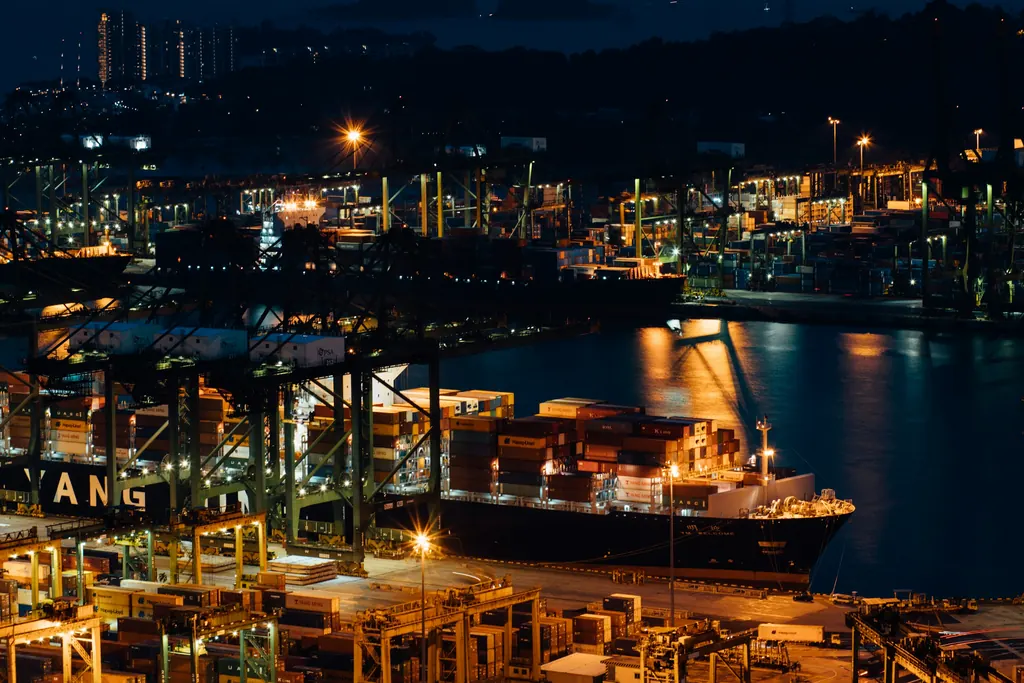
Industrial port at night with vessels alongside and cranes lit

Insights

Oil Storage Insights From the Terminal Floor

Our engineers, operators and commercial teams write about the infrastructure behind global energy logistics: what is changing, what is not, and what it means in practice.

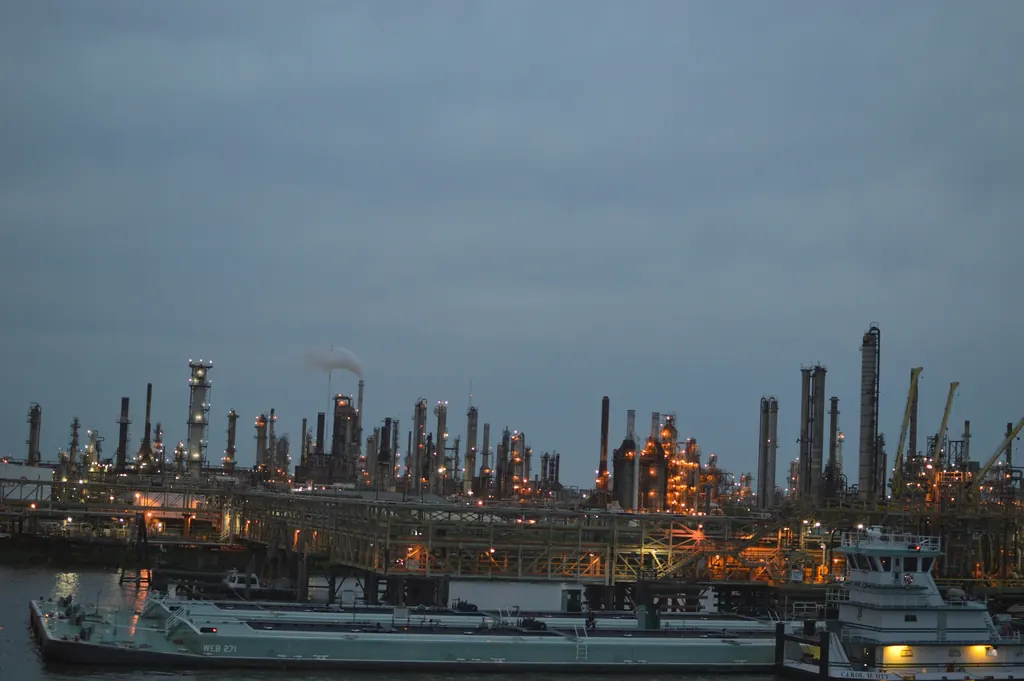
Refinery complex at dusk with tank barges moored in the foregroundEngineering

· Priya Nair, Chief Operating Officer

Gulf Coast Logistics: Building Hurricane Resilience Into Terminal Operations

For Gulf Coast terminals, hurricane season is a design condition, not a surprise. Here is how resilience is engineered and practised.

Read summary

1. The risk profile

Wind, storm surge, flooding, power loss, and disruption to marine and road access.

2. Engineering for resilience

  • Critical electrical equipment raised above design flood levels
  • Tank ballasting: keeping minimum product levels so tanks do not float in storm surge
  • Wind-rated structures and secured floating roofs

3. Staged preparedness

Phased procedures from storm watch to shutdown, with clear triggers.

4. Safe restart

Post-storm inspections of tanks, lines, electrical systems and berths before operations resume.

5. People first

Staff and family safety, and communication plans.

Related

Summary only. The full article is in preparation.
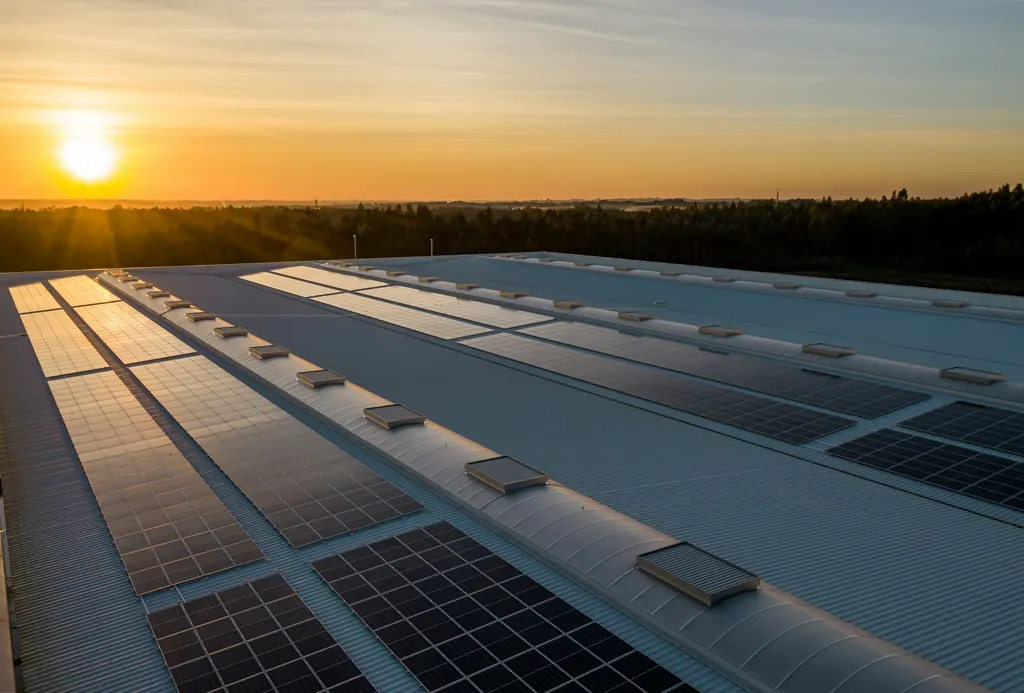
Rows of rooftop solar panels at sunsetSustainability

· Kavitha Subramaniam, Head of HSSE

Designing Terminals for a Lower-Carbon Future

The terminals built today will still be running in 2060. How do we design them to stay useful as the fuel mix changes, and reduce their own footprint along the way?

Read summary

1. Long-lived assets in a changing system

Terminal design decisions last for decades.

2. Product flexibility

Materials, coatings, seals and segregation that allow future conversion to renewable fuels.

3. Reducing operational emissions

Heating efficiency, solar, variable-speed drives and renewable electricity.

4. Environmental risk

Spill prevention, vapour control, water and biodiversity.

5. Our targets

35% lower emissions intensity and 60% renewable electricity by 2030.

Related

Summary only. The full article is in preparation.
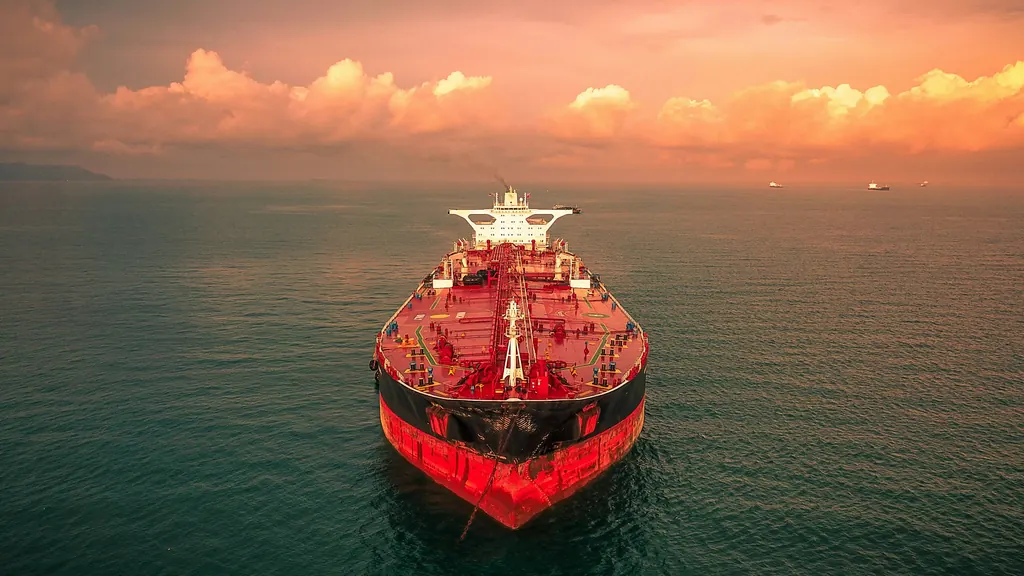
Crude oil tanker at sea under a glowing sunset skyRegional Focus

· Omar Haddad, Commercial Director

Fujairah and the Economics of the East–West Corridor

Outside the Strait of Hormuz and on the route between Middle Eastern supply and global demand, Fujairah plays a role that few ports can replicate.

Read summary

1. A strategic position

On the Gulf of Oman, outside the Strait of Hormuz, with deep water close to shore.

2. Storage and bunkering together

One of the world's largest bunkering centres, with large-scale fuel oil storage and blending.

3. Linking East and West

Product can be stored, blended and moved to Asia or to Europe depending on market conditions.

4. Operating in extreme heat

Heat stress management, equipment cooling and heating optimisation.

5. Growth

Our Phase 3 expansion (240,000 m³) is in FEED.

Related

Summary only. The full article is in preparation.
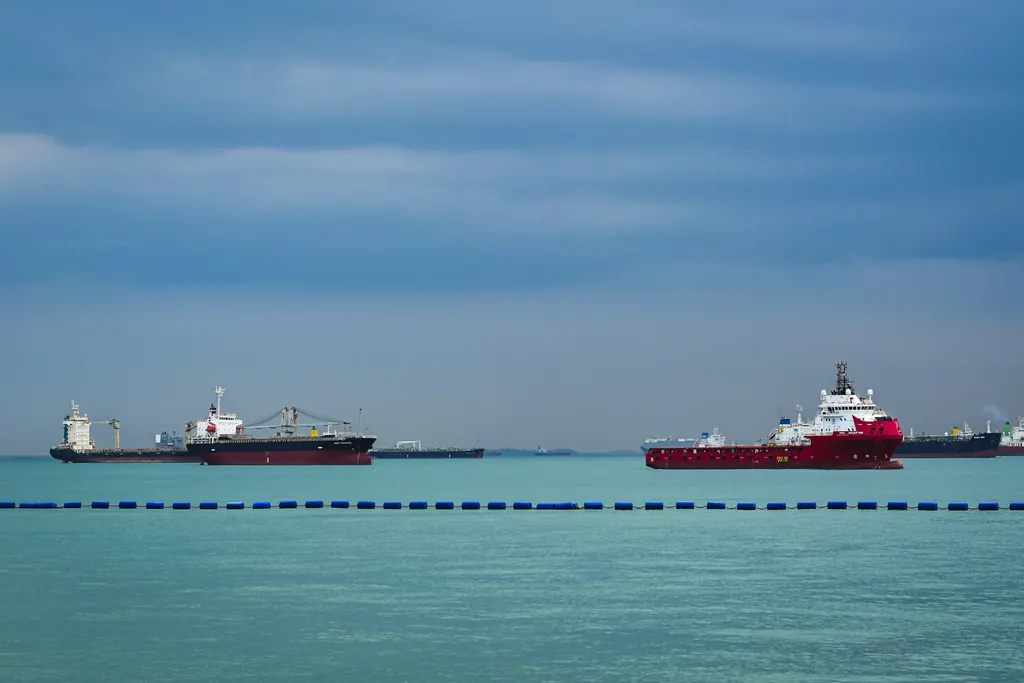
Tankers and supply vessels at anchor in calm tropical watersMarket Perspectives

· Dato’ Ahmad Faris Hashim, Group Managing Director

Strategic Storage and Energy Security in Southeast Asia

Southeast Asia’s energy demand keeps growing while much of its storage infrastructure is small and ageing. Strategic storage is now a matter of economic resilience, not just logistics.

Read summary

1. A growing, import-dependent region

Several Southeast Asian economies rely on imported refined products, and demand from transport, industry and aviation continues to grow.

2. The storage gap

Much of the region's distribution storage was built decades ago at a smaller scale. Small depots cannot take economically sized cargoes and hold limited buffer stocks.

3. What strategic storage does

  • Buffers supply against shipping disruption and refinery outages
  • Allows larger, more economical cargoes
  • Supports emergency stockholding where governments require it

4. Public and private roles

Governments set stockholding policies. Private operators and developers can build and run the infrastructure efficiently. Partnership models can align the two.

5. Designing for the future

New storage should allow for biofuel blending and the future conversion of tanks to lower-carbon fuels.

Related

Summary only. The full article is in preparation.
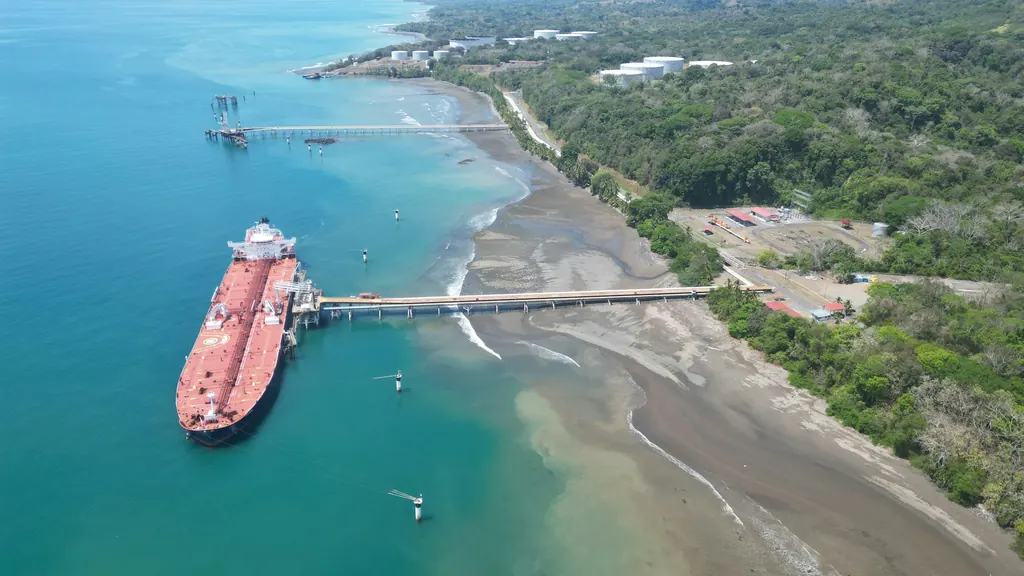
Aerial view of a tanker moored at a long jetty beside a forested coastlineMarket Perspectives

· Ir. Tan Boon Hock, Head of Engineering

Southeast Asian Demand and the Case for New Terminal Capacity

When does a region need a new terminal rather than more depots? A planning perspective, informed by our work in Borneo.

Read summary

1. Signals that a region needs new capacity

Rising delivery costs, frequent small-parcel shipments, supply interruptions and limited buffer stocks.

2. Scale economics

Larger tankers and fewer deliveries reduce cost per tonne, provided the terminal can take them.

3. Site selection criteria

Marine access, land and ground conditions, environmental sensitivity, connectivity and community factors.

4. Phasing to manage risk

A phased masterplan matches capital to demand while protecting long-term growth.

5. Case in point

The Borneo Oil Storage Terminal: 480,000 m³ Phase 1, 840,000 m³ masterplan.

Related

Summary only. The full article is in preparation.
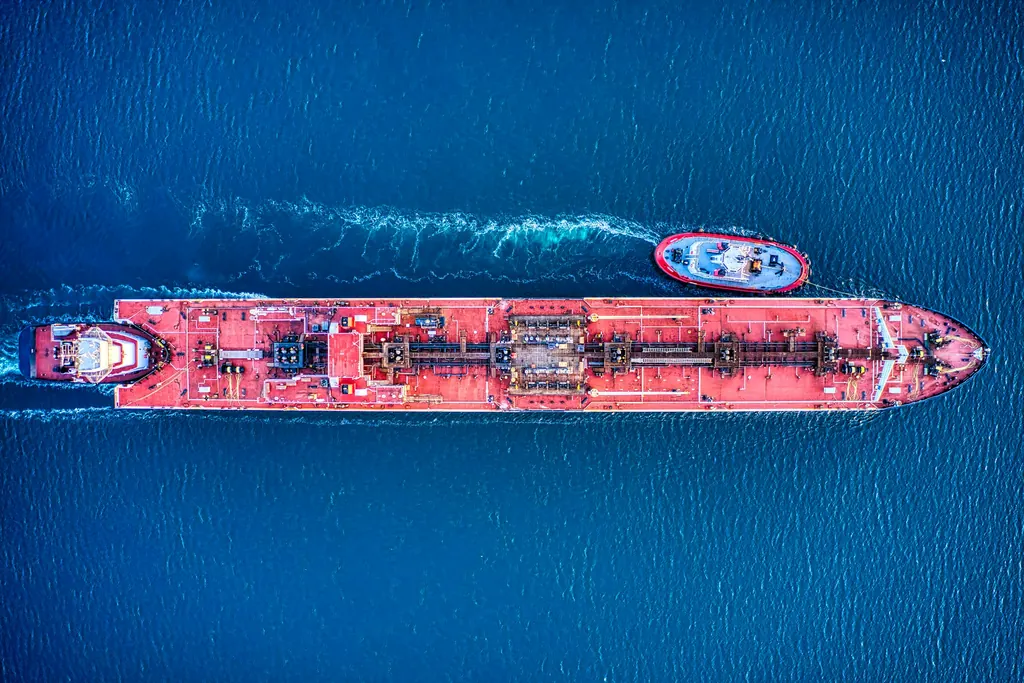
Aerial view of a tanker at sea with a tug alongsideCompany News

Borneo Oil Storage Terminal Moves Into Pre-FEED

After site screening, concept development and 14 stakeholder proposal briefings, the proposed East Malaysia terminal enters its next planning stage.

Read summary
  • Summary of the preliminary infrastructure consulting completed in 2024–2025
  • Preferred site selected from three candidates
  • Phase 1 concept: 480,000 m³ in 12 tanks, with a 1.2 km jetty trestle
  • 2026 activities: pre-FEED and EIA scoping
  • Quote from Ir. Tan Boon Hock, Head of Engineering
  • Clear statement that the project remains subject to approvals and investment decisions

Related

Summary only. The full article is in preparation.
Container and tanker port at night with vessels alongsideMarket Perspectives

· Omar Haddad, Commercial Director

Why Storage Location Matters More Than Storage Volume

Capacity figures make headlines, but traders and refiners choose storage by where it is and what it connects to. Here is why a well-located cubic metre earns its keep.

Read summary

1. The misleading simplicity of capacity

Storage is often compared by headline capacity. But a tank's commercial value depends on the markets it can reach, how fast it can turn product around, and the blending and logistics options around it.

2. What makes a location valuable

  • Proximity to shipping lanes and chokepoints
  • Depth of the surrounding trading market and price transparency
  • Availability of blending components and testing services
  • Onward logistics: barge, pipeline, truck and rail
  • Stability of regulation

3. Turnover versus dwell time

Hub terminals tend to turn their tanks over more often than remote strategic storage. Higher turnover raises the value of berths, pumping capacity and scheduling discipline. In practice, berth capacity rather than tank capacity is often the real constraint.

4. Networks create options

Owning storage at several hubs lets a customer respond to regional price differences and supply disruptions. The value lies in the choice.

5. Implications for customers

Assess storage on connectivity, turnaround performance and flexibility, not just on price per cubic metre.

Related

Summary only. The full article is in preparation.
Black and white view of large steel storage tanks with spiral stairsEngineering

· Dr. Hendrik van den Berg, Chief Technical Officer

Modernising Legacy Terminals: Where the Value Lies

Many of the world’s storage terminals were built decades ago. Modernisation can unlock capacity, safety and efficiency, if you know where to look.

Read summary

1. The legacy terminal challenge

Ageing tanks, outdated control systems, overfill protection below current good practice, and berths designed for smaller vessels.

2. Five areas where modernisation pays

  • Overfill protection: Independent safety instrumented systems
  • Control systems: SCADA replacement and alarm management
  • Berth performance: Loading arms, pumps and scheduling
  • Tank integrity: Bottom replacements, coatings, cathodic protection
  • Energy efficiency: Heating optimisation, variable-speed drives, LED lighting

3. Upgrading live terminals

Phased cutovers, planned shutdown windows and rigorous isolation management. Customer operations must continue.

4. Lessons from our network

Houston: SCADA and overfill protection upgraded on all 14 tanks with no missed customer liftings. Fujairah: barge loading raised by 47%.

5. Prioritising investment

Rank upgrades by risk reduction first, then by commercial value.

Related

Summary only. The full article is in preparation.
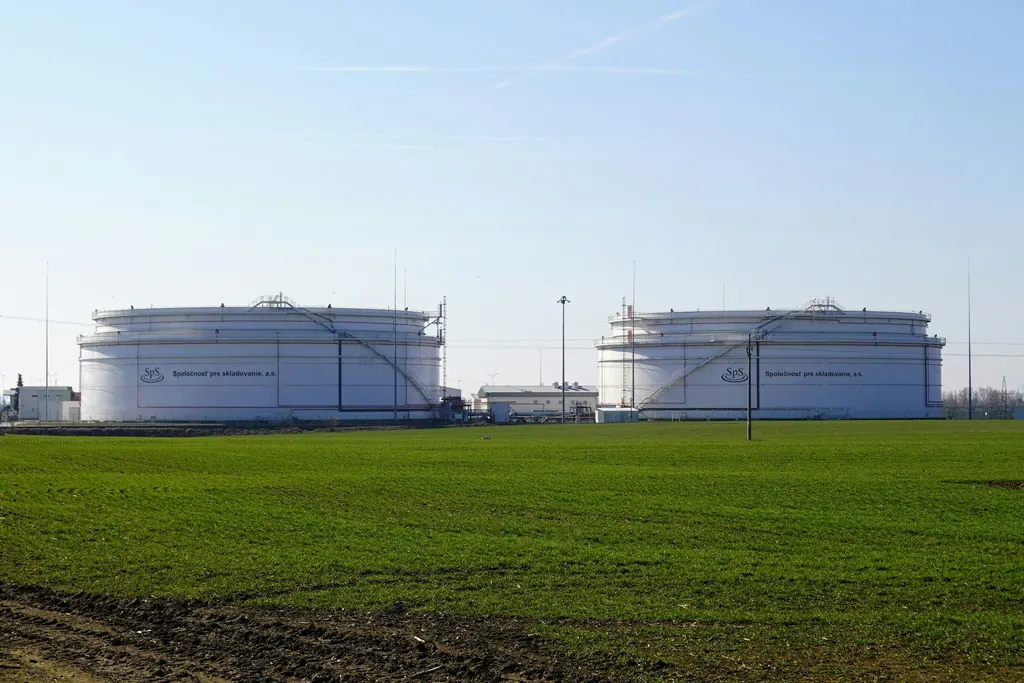
Two large white storage tanks on open ground under a clear skyCompany News

Fujairah Expansion Enters Service, Taking Network Capacity to 3.18 Million m³

Two heated 80,000 m³ tanks and an upgraded barge berth complete the Fujairah Marine Storage Optimisation programme.

Read summary
  • The two new tanks add 160,000 m³ of heated VLSFO blending capacity
  • The barge berth loading rate rises from 1,500 to 2,200 m³/h
  • A 1.8 MWp solar array is now operating on site
  • Together with the Rotterdam biofuel tanks commissioned earlier in the year, network capacity reaches 3.18 million m³
  • Quote from Priya Nair, COO, on safe delivery and customer impact

Related

Summary only. The full article is in preparation.
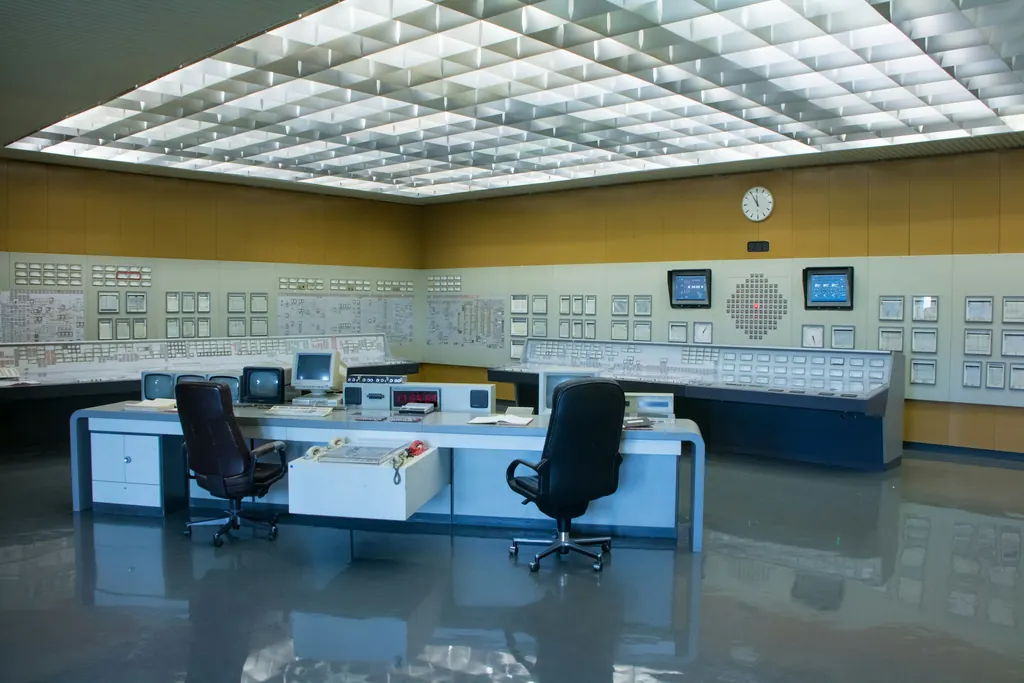
Industrial control room with operator desks and wall-mounted panelsTechnology

· Dr. Hendrik van den Berg, Chief Technical Officer

Digital Terminal Management: Practical Gains, Not Promises

Digital tools can improve terminal performance, but only when they solve real operational problems. Lessons from putting one terminal management system into four terminals.

Read summary

1. Start with the problem

Reconciliation disputes, slow documentation, and poor visibility of capacity across sites.

2. What a TMS actually does

Nominations, movements, inventory, reconciliation, documentation and customer portals.

3. Rollout lessons

Standardise processes before software; involve operators early; migrate data carefully.

4. Beyond the TMS

Predictive maintenance, analytics and a cautious digital twin pilot.

5. Cybersecurity from the start

Segmentation, access control and monitoring aligned with IEC 62443.

Related

Summary only. The full article is in preparation.
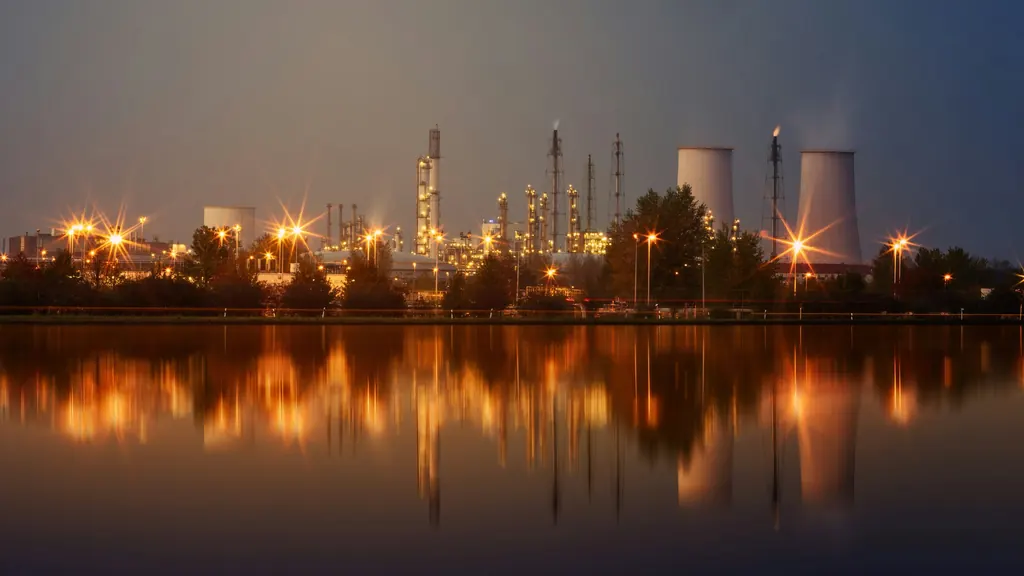
Industrial skyline lit at night and reflected in still waterRegional Focus

· Mohd Azlan Ismail, Head of Terminal Operations

Singapore’s Enduring Role in Asia Pacific Product Flows

Refining capacity has grown elsewhere in Asia, but Singapore’s role as a trading, blending and bunkering centre remains central. We look at why.

Read summary

1. Geography that doesn't change

Singapore sits between the Middle East and India to the west and North Asia to the east.

2. More than storage

A deep trading community, price discovery, blending expertise, testing laboratories and financial services.

3. Bunkering and marine fuels

The move to very low sulphur fuel oil has increased the importance of blending capability and quality control.

4. Operating in a land-constrained hub

Expansion in Singapore depends on using existing sites efficiently. Our 2023 expansion added 290,000 m³ without new land.

5. What's next

Digitalisation, lower-carbon marine fuels and continued regional demand.

Related

Summary only. The full article is in preparation.

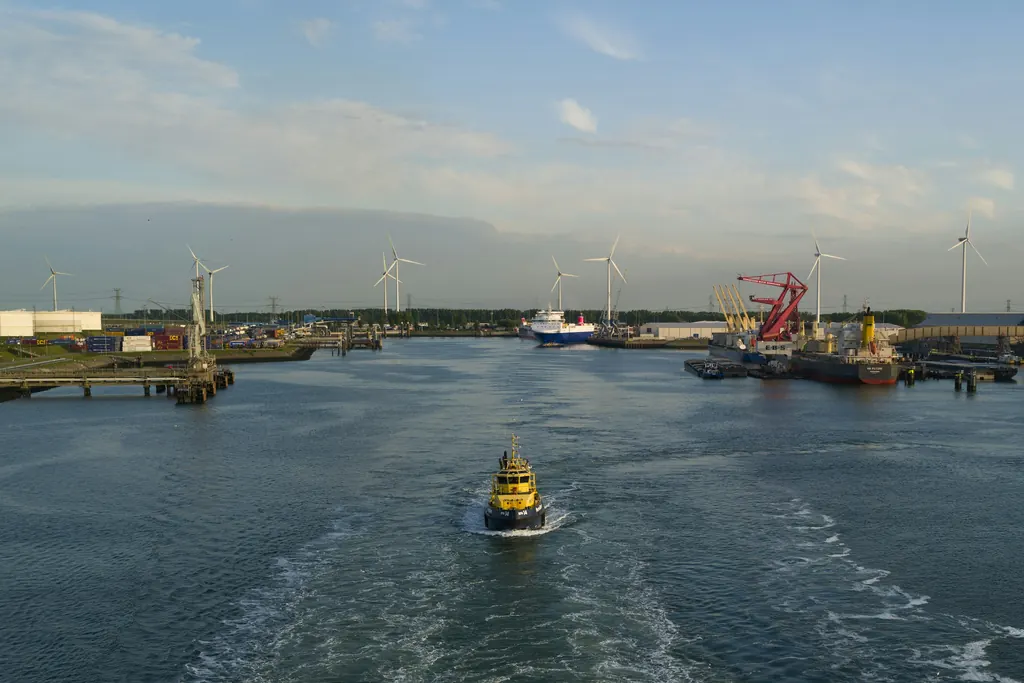
Busy port waterway with a pilot boat and wind turbines on the horizonRegional Focus

· Dr. Hendrik van den Berg, Chief Technical Officer

Europe’s Storage Market in Transition: Biofuels, Blending and Barges

European terminals are adapting to renewable fuel mandates, changing product flows and the need for faster barge logistics. The ARA region is where it shows first.

Read summary

1. Changing product flows into Europe

Shifts in import sources and refinery rationalisation are changing what European terminals store and where it comes from.

2. The renewable fuels effect

Blending mandates are creating demand for dedicated tankage for FAME, HVO and SAF components, and for accurate inline blending.

3. Handling biofuels properly

Nitrogen blanketing, moisture control, cold-flow management and chain-of-custody documentation.

4. Barges are the bottleneck

Inland distribution depends on barge productivity. Scheduling systems and berth upgrades can shorten turnaround significantly. In Rotterdam, we reduced it by 26%.

5. Outlook

Terminals that invest in flexibility will be best placed for Europe's fuel transition.

Related

Summary only. The full article is in preparation.

Newsletter

Stay Informed

Get new insights and company updates by email.

Areas of interest