Busy port waterway with a pilot boat and wind turbines on the horizon

Case Studies

Oil Terminal Case Studies: Challenges, Solutions, Results

Five projects: four at our own terminals and one flagship consulting assignment. Each shows how we approach a complex infrastructure problem and what the outcome was, with the numbers.

Case study 01

Borneo Oil Storage Terminal
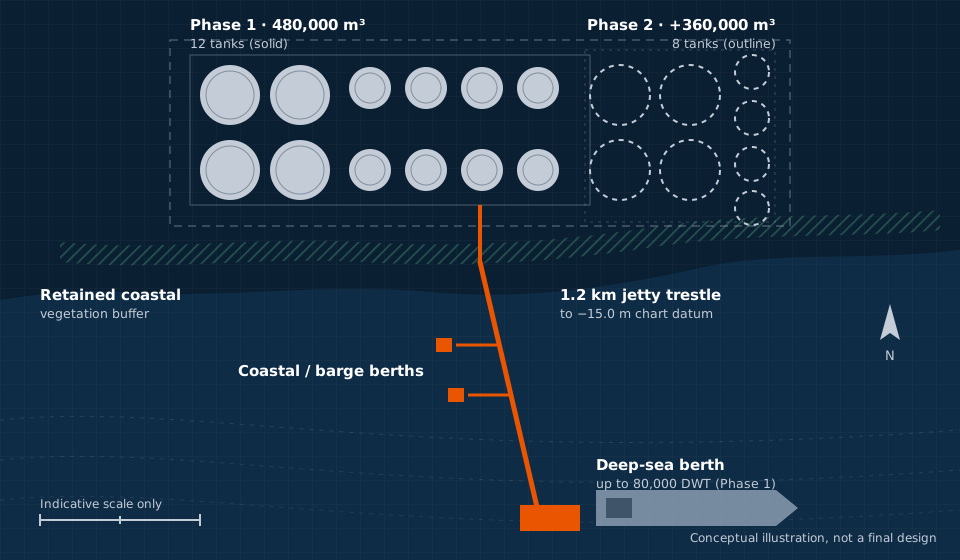
Conceptual masterplan of the proposed Borneo Oil Storage Terminal

01Challenge

Fuel supply in East Malaysia relies heavily on small coastal depots and frequent small-parcel deliveries. Stakeholders wanted to know whether a large, modern terminal was viable, where it should go, how large it should be and how it could be phased to match demand. They also needed a clear, credible proposal to put in front of partners and government agencies.

02Solution

We screened three candidate sites against marine access, land, environmental sensitivity and connectivity. We assessed demand by fuel grade and customer segment, and developed a phased masterplan that keeps early capital manageable while protecting long-term growth. Our team prepared the marine interface concept, the tank configuration and a Class 5 cost estimate. We then delivered 14 proposal briefings to potential partners, government agencies, industrial users and financial institutions.

Infrastructure

  • 480,000 m³ Phase 1 in 12 tanks; 840,000 m³ masterplan in 20 tanks
  • 1.2 km jetty trestle to −15.0 m chart datum
  • Deep-sea berth up to 80,000 DWT, plus two coastal and barge berths (Phase 1)
  • 6.5 km of Phase 1 transfer pipelines

03Result

The project has moved into pre-FEED and EIA scoping, with a clear design basis, a preferred site and a phased investment plan.
Case study 02

Singapore Storage Expansion

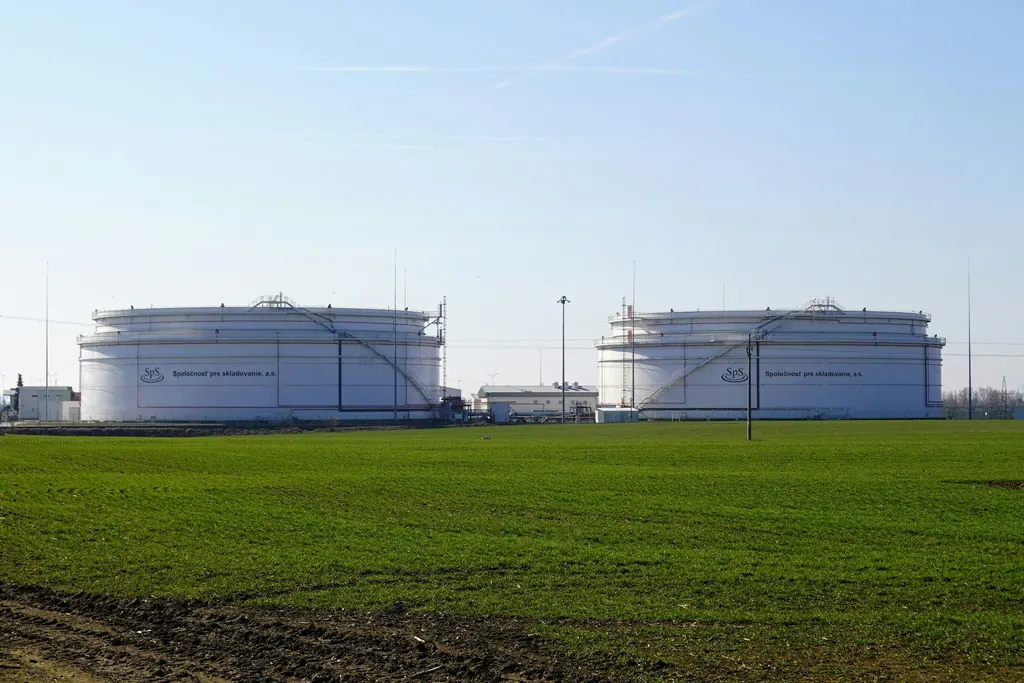
Two large white storage tanks on open ground under a clear sky

01Challenge

After the acquisition in 2021, demand for heated fuel oil tankage for VLSFO blending, and for middle distillate storage, was higher than the terminal could supply. Customers were waiting for capacity. The site is in a land-constrained industrial area, and any expansion had to be built next to live operations without disrupting berth schedules.

02Solution

We reorganised the site layout to release an underused plot previously used for drum storage and construction laydown. Our engineering team designed five new tanks: two 80,000 m³ heated fuel oil tanks, two 50,000 m³ distillate tanks and one 30,000 m³ naphtha tank. They were supported by a new 16-inch transfer header and upgraded transfer lines at Berth 2. Construction was sequenced so that tie-ins to live systems fell within planned shutdown windows.

Infrastructure

  • 5 tanks, 290,000 m³
  • Thermal oil heating extension for the heated tanks
  • New transfer header and manifold
  • Upgraded Berth 2 transfer lines

03Result

The expansion was commissioned 19 months after the investment decision, with zero lost time injuries over 1.1 million construction work-hours. 92% of the new capacity was contracted before commissioning.

“Moving our middle-distillate and VLSFO programme to the Jurong terminal cut the time we spent on berth coordination. Their scheduling team plans around our cargo windows rather than asking us to plan around theirs. When a vessel slips, we hear about it early, and with options.”

Vivian Lau · Head of Operations, Asia · Meridian Energy Trading · Singapore

Case study 03

Rotterdam Energy Logistics Hub

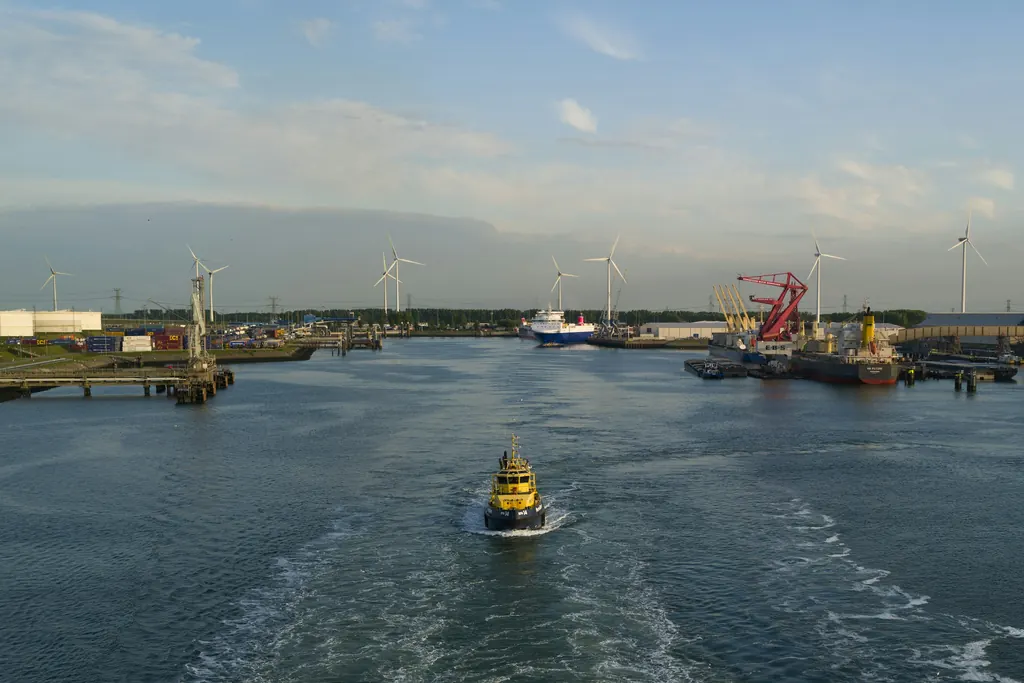
Busy port waterway with a pilot boat and wind turbines on the horizon

01Challenge

At acquisition, the Botlek terminal was a conventional clean-products facility. Barges queued at peak times: average barge turnaround was 14.5 hours, and customers were paying for barge waiting time. At the same time, European renewable fuel mandates were driving demand for accurate blending of FAME and HVO into diesel, which the terminal could not do inline.

02Solution

We ran a three-part programme:

  1. 1.Barge berth reconfiguration: New loading arms at two barge berths, rebalanced line allocation across the six barge berths, and a digital barge scheduling system with slot allocation
  2. 2.Biofuel capability: Two 30,000 m³ biofuel tanks with nitrogen blanketing, trace-heated lines and an inline blending skid
  3. 3.Emissions control: An upgraded vapour recovery unit and vapour return at all volatile product berths

Infrastructure

  • 2 × 30,000 m³ biofuel tanks
  • Inline blending skid (±0.2% vol accuracy)
  • 2 new barge loading arms
  • Upgraded vapour recovery unit

03Result

Average barge turnaround fell by 26%, and throughput rose to 4.8 million tonnes. The terminal now supplies certified biofuel blends to customers across the Rhine hinterland.

“Our biofuel blending volumes have grown every year. The terminal invested in dedicated tankage and inline blending before we had to ask, and the quality certificates show how precise the system is.”

Anouk Jansen · Logistics Manager · Rhine Delta Fuels · Netherlands

Case study 04

Fujairah Marine Storage Optimisation

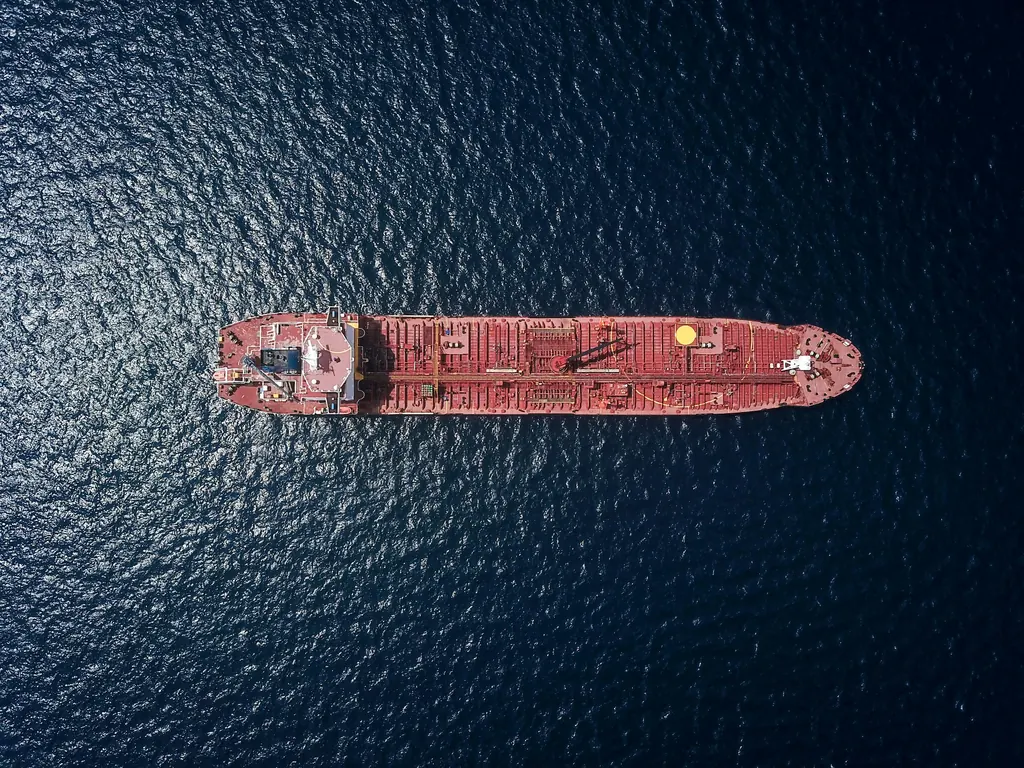
Aerial view of a tanker underway on dark open water

01Challenge

The global shift to very low sulphur fuel oil in 2020 increased the need for heated blending capacity in Fujairah. At acquisition, the terminal had limited dedicated blending tankage. Its barge berth loaded at 1,500 m³/h, which was slow compared with customer expectations in a competitive bunkering market. Heating demand for fuel oil storage was also a major source of the terminal’s energy use and emissions.

02Solution

We added two 80,000 m³ heated, insulated tanks with jet mixers and in-line quality analysers for VLSFO blending. At the barge berth, we installed a new loading arm and higher-capacity pumps. We optimised the heating system by adjusting tank temperature setpoints to the minimum needed for pumpability and improving insulation. We also installed a 1.8 MWp solar array.

Infrastructure

  • 2 × 80,000 m³ heated blending tanks
  • Barge berth loading arm and pump upgrade
  • Heating system optimisation
  • 1.8 MWp solar installation

03Result

Capacity rose by 20% and barge loading performance improved by 47%. Throughput grew from 4.3 to 5.4 million tonnes, the highest of any terminal in the network.

“Barge turnaround decides whether a bunkering day is profitable or difficult. Since the berth upgrade, our barges load faster and the blend results are consistent from parcel to parcel.”

Ahmed Al Mansoori · General Manager · Global Marine Supply · Middle East

Case study 05

Houston Terminal Integration and Controls Modernisation

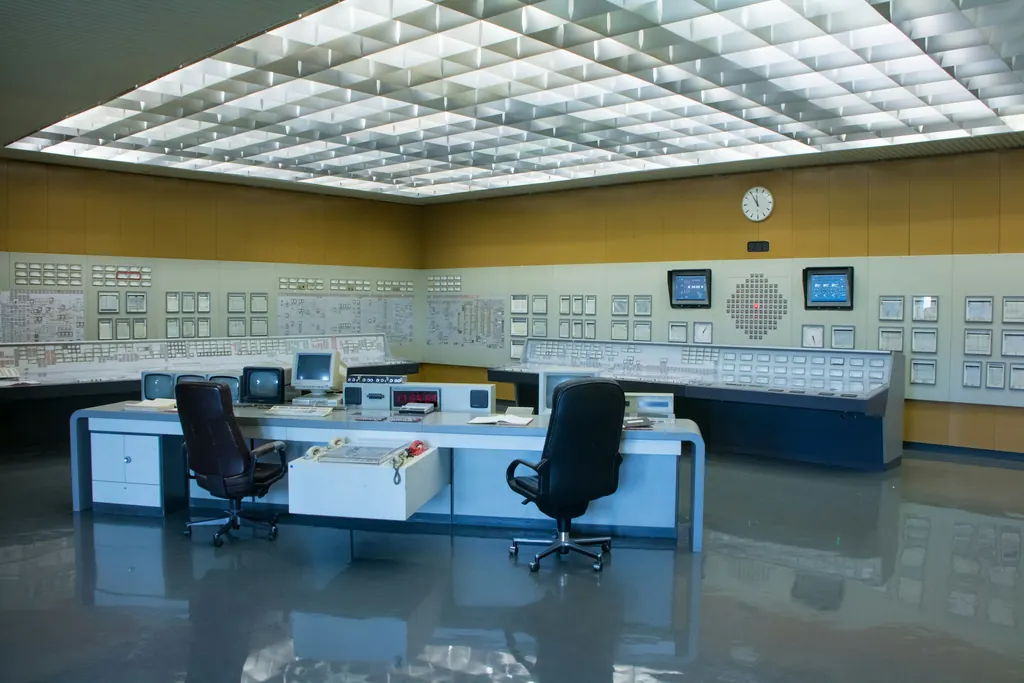
Industrial control room with operator desks and wall-mounted control panels

01Challenge

When we acquired the Houston terminal in 2024, its control systems were near the end of their life. Overfill protection did not meet our group standard, and critical electrical equipment was exposed to hurricane storm surge. All of this had to be fixed while customers continued to receive and ship product through five transport modes.

02Solution

We replaced the SCADA system in stages, one tank group at a time. Every tank received safety instrumented overfill protection, independent of the gauging system. Critical switchgear and control equipment were moved or raised above design flood levels. The terminal was integrated into the group terminal management system and customer portal.

03Result

The terminal was fully integrated into group systems within 11 months, with no customer liftings missed because of the works.

“The transition after the acquisition was handled carefully. The controls upgrade was completed without a single missed lifting on our account, and the new inventory reporting is noticeably faster and more accurate.”

James Whitfield · VP Supply & Logistics · NorthStar Industrial Fuels · United States

Client Perspectives

In Our Clients’ Words

“Having tankage in Singapore and Fujairah under one framework has changed how we structure East–West fuel oil business. We can hold product in Fujairah, blend to specification and plan the Singapore leg with one counterparty that understands both ends.”

Kenji MoritaSenior Trader, Fuel Oil · Pacific Commodities Group · Asia Pacific

“The team brought a disciplined approach to a complex storage-development requirement. They connected terminal planning with marine logistics, and they were candid about what the site could not do. That saved us months in the concept phase.”

Nurul Huda RahmanDirector of Projects · Eastern Petrochemicals · Malaysia

“The feasibility study was realistic about demand, clear about risk and specific about cost. It gave our board what it needed to decide. In the end, that was to go ahead with a smaller first phase.”

Budi SantosoChief Executive · Sunda Energy Logistics · Indonesia

Next steps

Let’s Solve Your Infrastructure Challenge

Tell us about the capacity, performance or development question you are working on.